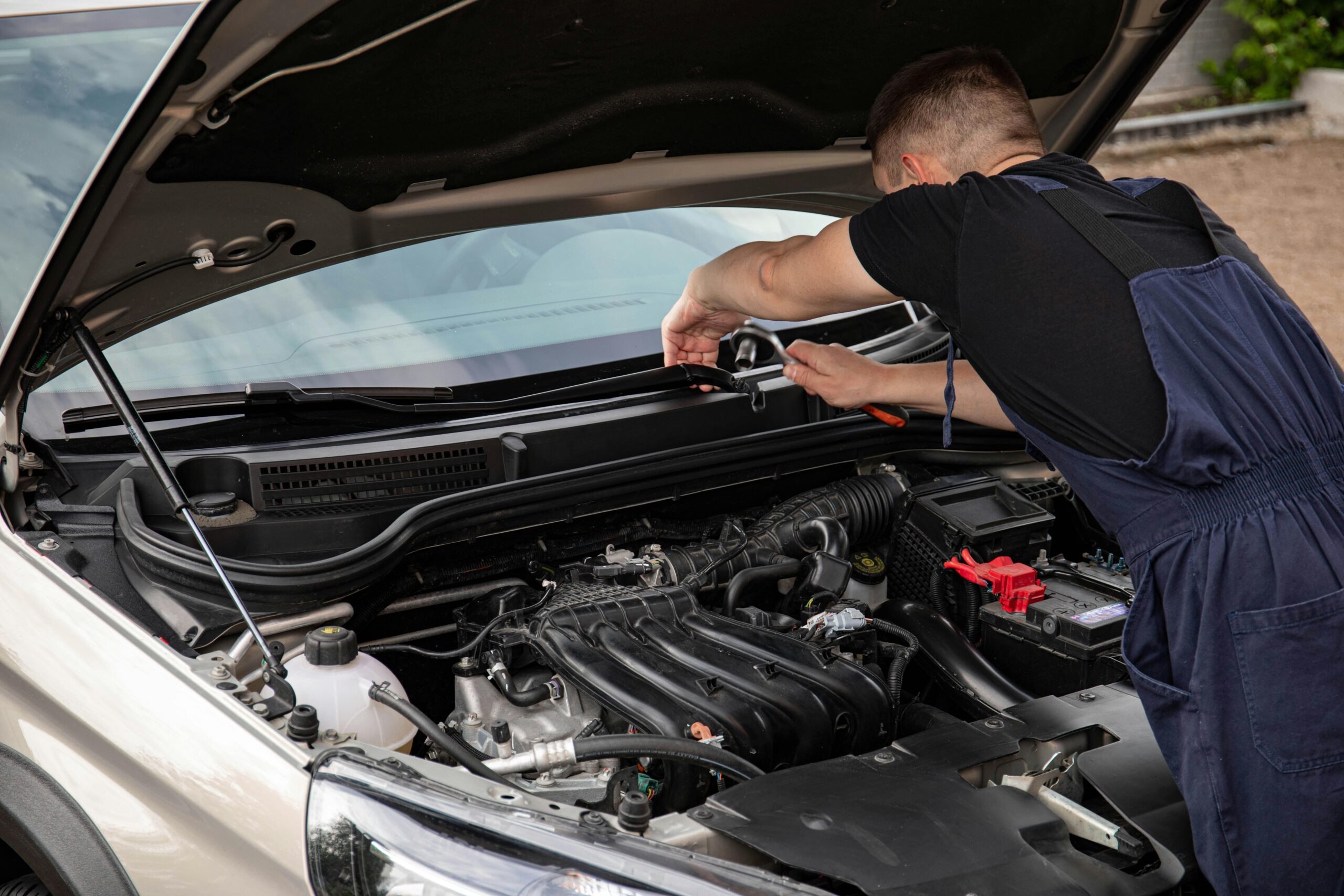
Major car repairs can arrive without warning and cost thousands of dollars. Engines fail. Transmissions slip. Electronics stop working. That is why many drivers want to understand How to Use an Extended Car Warranty to Cover Major Repairs the right way.
An extended car warranty can protect your finances, but only if you know how to use it correctly. This guide explains what qualifies as a major repair, how claims work, and how to avoid common mistakes that lead to denied coverage.
What Is an Extended Car Warranty?
An extended car warranty, also known as a vehicle service contract, helps pay for covered repairs after your factory warranty expires.
Unlike insurance, warranties only cover specific mechanical or electrical failures listed in the contract.
Independent research from extended car warranty reviews shows that understanding coverage details is the biggest factor in successful claims.
What Counts as a Major Repair?
Major repairs involve high-cost systems that are essential to vehicle operation.
Common Major Repairs Covered by Warranties
- Engine replacement or rebuild
- Transmission failure
- Transfer case and drivetrain issues
- Fuel system repairs
- Electrical and computer system failures
These repairs often cost more than the warranty itself.
Why Many Claims Get Denied
Most denied claims are not scams. They are the result of misunderstandings.
Drivers often assume coverage is automatic.
This is similar to starting an online business without reading platform rules. Just as affiliate marketing or a dropshipping business has requirements, warranties have strict procedures.
How to Use an Extended Car Warranty to Cover Major Repairs
Step 1: Confirm the Repair Is Covered
Before authorizing any work, review your warranty contract.
Look for the specific system listed under covered components.
If you are unsure, call the warranty provider for clarification.
Step 2: Go to an Approved Repair Facility
Most warranties require repairs to be performed at approved or licensed repair shops.
Some plans allow nationwide coverage.
Others restrict repairs to specific networks.
Step 3: Get Pre-Authorization Before Repairs Begin
This step is critical.
The repair shop must contact the warranty provider before starting work.
Skipping pre-authorization is one of the fastest ways to get a claim denied.
Understanding the Claims Process
Once the repair shop contacts the provider, an adjuster may review the issue.
The adjuster confirms:
- The failure qualifies as a covered repair
- The part failed due to normal use
- Maintenance requirements were met
After approval, the warranty company pays the shop directly.
Maintenance Records Matter
Warranty providers require proof of routine maintenance.
Oil changes, fluid services, and inspections help prove the failure was not caused by neglect.
Keep receipts and service records.
This documentation is as important as record-keeping in affiliate vs dropshipping business models.
Deductibles and Out-of-Pocket Costs
Most warranties include a deductible.
Common deductibles range from $0 to $200 per visit.
Paying a small deductible is far cheaper than paying for a full engine or transmission repair.
Dealer Warranties vs Third-Party Warranties
Dealer warranties are often easier to use at branded dealerships.
Third-party warranties usually offer lower prices and more flexibility.
Choosing between them is similar to building scalable income.
One path offers convenience. The other offers control, like choosing between online business models.
Using a Warranty for Engine Repairs
Engine repairs are among the most expensive automotive fixes.
Most powertrain and bumper-to-bumper warranties cover internal engine components.
External damage or wear items are usually excluded.
Using a Warranty for Transmission Repairs
Transmission failures often cost $3,000 to $7,000.
Extended warranties typically cover internal transmission parts.
Automatic transmissions with advanced electronics benefit the most from coverage.
Using a Warranty for Electrical System Failures
Modern vehicles rely heavily on electronics.
Infotainment systems, sensors, and control modules are expensive.
Coverage varies, so verify electronic system inclusion.
Pricing insights from extended warranty coverage guide show electronics are among the most claimed repairs.
What Extended Warranties Do Not Cover
Understanding exclusions prevents frustration.
- Wear-and-tear items
- Routine maintenance
- Cosmetic damage
- Pre-existing conditions
Major repairs must result from mechanical failure, not neglect.
How Long Major Repair Claims Take
Most claims are approved within one to three business days.
Complex repairs may take longer due to inspections or part sourcing.
Rental car benefits may apply depending on your plan.
How Extended Warranties Protect Your Finances
Major repairs are financial shocks.
Extended warranties turn unpredictable costs into manageable expenses.
This stability mirrors building passive income streams that reduce financial volatility.
Common Mistakes That Void Coverage
- Skipping maintenance
- Using unapproved repair shops
- Failing to get pre-authorization
- Modifying the vehicle
Avoiding these mistakes keeps your coverage intact.
Scams and Fake Repair Claims
Some repair shops attempt unauthorized work.
Always confirm approval before repairs begin.
The FTC’s auto warranty fraud alerts explain how consumers can protect themselves.
Is Using an Extended Warranty Worth It for Major Repairs?
In many cases, yes.
One major repair can exceed the total cost of the warranty.
Vehicles with advanced technology benefit the most.
Who Benefits Most from Using Extended Warranties
- Drivers planning long-term ownership
- Owners of used vehicles
- High-mileage commuters
These drivers face higher repair risks.
Final Checklist Before Filing a Major Repair Claim
- Confirm coverage
- Choose an approved repair shop
- Request pre-authorization
- Provide maintenance records
Final Thoughts
Understanding How to Use an Extended Car Warranty to Cover Major Repairs allows you to maximize the value of your coverage.
Warranties are not automatic. They require attention and proper use.
When handled correctly, they can save thousands of dollars and protect your long-term financial stability.
