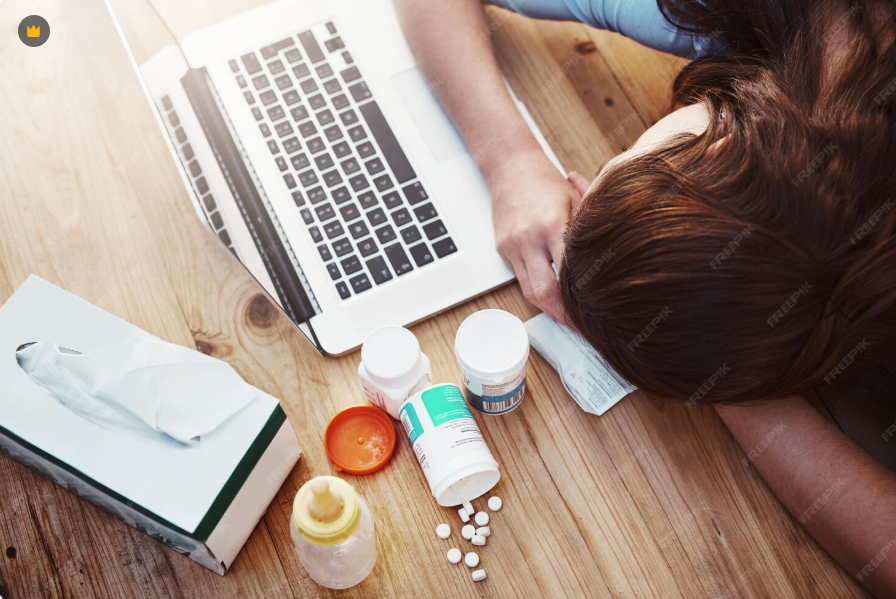
Feeling overwhelmed, on edge, or exhausted by daily pressures is something we all experience. Learning how to manage stress and anxiety without medication can improve your quality of life and help you face challenges with more resilience and calm. While medication may be necessary for some, many people find natural approaches work effectively for reducing stress and fostering emotional balance.
This guide walks you through practical, evidence‑based strategies that help you regain control, strengthen your mental wellbeing, and reduce anxiety and stress naturally.
Understanding Stress and Anxiety
Stress and anxiety are closely connected. Stress is your body’s response to demands or threats, triggering the “fight or flight” reaction that releases hormones like cortisol and adrenaline. Anxiety is the emotional response to stress and often involves worrying thoughts and physical tension that can interfere with daily life. Learning how to manage stress and anxiety without medication means focusing on holistic habits that positively affect both mind and body.:contentReference[oaicite:0]{index=0}
The Power of Mind‑Body Practices
Mind‑body techniques are a cornerstone for natural stress and anxiety management. These approaches encourage present‑moment awareness and relaxation, helping your nervous system settle into a calmer state.
Mindfulness and Meditation
Mindfulness involves focusing on your breath, sensations, and thoughts without judgment. Practicing mindfulness can reduce rumination, improve focus, and help you respond more calmly to stress triggers. Meditation can range from guided sessions to simple breath awareness exercises you do anywhere.:contentReference[oaicite:1]{index=1}
Deep Breathing Techniques
Deep breathing helps activate the body’s relaxation response. Slowing your breath signals your nervous system to reduce stress hormones, lower heart rate, and increase calm. Simple techniques like box breathing (inhale, hold, exhale, and hold for counts of four) or belly breathing can help manage anxiety quickly.:contentReference[oaicite:2]{index=2}
Progressive Muscle Relaxation
Progressive muscle relaxation involves tensing and relaxing each muscle group to ease physical tension linked to anxiety. This technique teaches you to recognize and release stress you may carry unconsciously in your body.:contentReference[oaicite:3]{index=3}
Daily Lifestyle Habits for Stress Relief
Natural stress and anxiety management often begins with how you live each day. Simple lifestyle habits can significantly impact your overall emotional wellbeing.
Stay Active
Physical activity boosts your body’s production of endorphins—chemicals that enhance your mood—and reduces stress hormones. Whether it’s walking, jogging, cycling, or yoga, aim for at least 30 minutes of movement most days. Even light exercise can help you feel calmer and more energetic.:contentReference[oaicite:4]{index=4}
Prioritize Sleep
Poor sleep can intensify feelings of stress and anxiety. Establish a consistent sleep schedule, create a calming bedtime routine, and limit screens before bed. Quality sleep boosts your ability to cope with stress and think more clearly during the day.:contentReference[oaicite:5]{index=5}
Eat for Brain Health
Your diet influences neurotransmitters and energy levels. Foods rich in omega‑3 fatty acids (like salmon and flax seeds), magnesium (dark leafy greens and nuts), and lean proteins support mood regulation. Limiting caffeine, sugar, and excessive alcohol can also prevent anxiety spikes.:contentReference[oaicite:6]{index=6}
Relaxation and Stress Reduction Techniques
When stress and anxiety flare up, having tools to help you return to calm can make a huge difference.
Guided Imagery and Visualization
Visualization involves imagining tranquil scenes or experiences to calm the mind. Close your eyes and picture a peaceful place, focusing on sounds, scents, and sensations to shift your attention away from stress.:contentReference[oaicite:7]{index=7}
Time in Nature
Spending even short periods outdoors has been shown to lower stress hormones and improve mood. A walk in green spaces, by water, or in parks can help you reset mentally and emotionally.:contentReference[oaicite:8]{index=8}
Journaling and Expressive Writing
Writing down worries and feelings can help you identify patterns, release pent‑up emotions, and gain perspective. Keeping a gratitude journal—listing things you’re thankful for each day—can also shift your focus away from stress.:contentReference[oaicite:9]{index=9}
Social Support and Connection
Human connection enhances emotional resilience. Talking with trusted friends, family members, or joining a group with similar interests creates a sense of belonging. Sharing experiences and coping strategies can reduce the feeling of isolation that often accompanies stress and anxiety.:contentReference[oaicite:10]{index=10}
Structured Therapeutic Techniques
Sometimes, guided approaches help you handle stress and anxiety more effectively.
Cognitive Behavioral Techniques
Therapeutic methods like cognitive behavioral strategies help you identify and reframe negative thought patterns that fuel anxiety. Even self‑guided CBT worksheets or exercises available through credible mental health resources can be powerful tools.:contentReference[oaicite:11]{index=11}
Support Groups and Peer Support
Group activities or support circles provide both encouragement and accountability. They help you share coping mechanisms in an understanding environment and remind you that others face similar challenges.:contentReference[oaicite:12]{index=12}
Creating Your Stress‑Free Routine
When practicing how to manage stress and anxiety without medication, consistency matters. Building a structured routine that incorporates these strategies will help you see results over time. Start by combining a few techniques that resonate with you and expand as you feel comfortable.
Here’s a simple daily checklist you can follow:
- Morning: 5–10 minutes of deep breathing or meditation
- Throughout the day: Light physical activity (walk, stretch, yoga)
- Avoid stimulants like too much caffeine or sugar
- Evening: Journaling or visualization to unwind
- Prioritize a consistent sleep schedule
When to Seek Professional Help
Natural strategies help many people but may not be enough for others. If your stress and anxiety persist or interfere significantly with daily life, consulting a licensed mental health professional is important. Therapy, whether in person or online, including services like <$a href=”https://www.nccih.nih.gov/health/providers/digest/mind-and-body-approaches-for-stress”>$NCCIH page on stress & anxiety mind‑body approaches can offer tailored strategies to support your mental health.:contentReference[oaicite:13]{index=13}
Remember, managing stress and anxiety is a journey. Consistent practice of natural techniques builds resilience over time and empowers you to handle life’s ups and downs with greater peace.
Conclusion
Learning how to manage stress and anxiety without medication means embracing mind‑body practices, healthy lifestyle habits, relaxation techniques, and social support. Whether you start with simple breathing exercises or a structured mindfulness routine, these strategies can help you build emotional strength and navigate stress more easily.
With patience and commitment, it’s possible to reduce anxiety naturally and enhance your overall wellbeing — without relying on medications.
