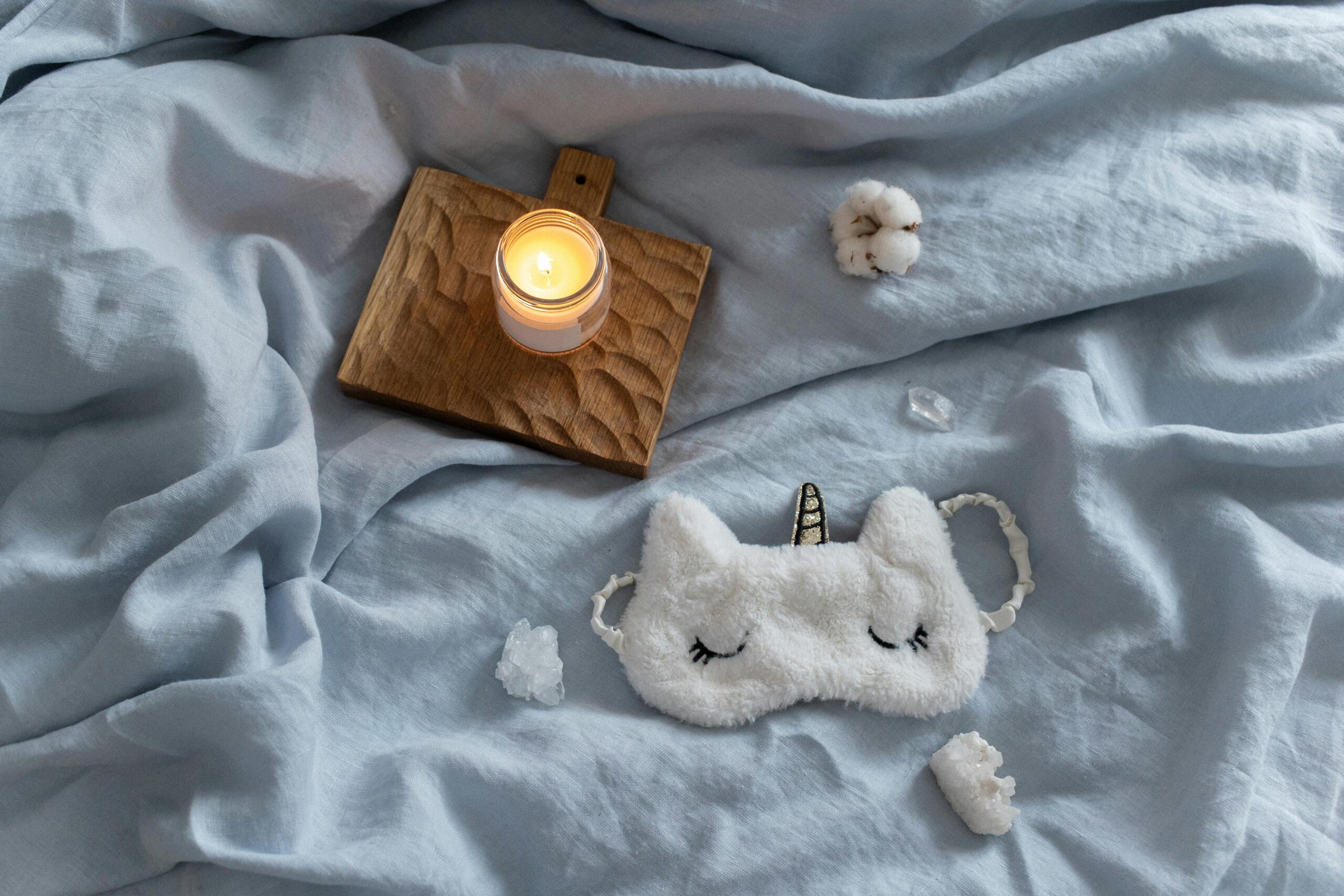
Struggling to fall asleep or waking up still tired can make your days feel harder than they need to be. If you want deeper, more refreshing rest, learning how to improve sleep quality with easy nighttime rituals is one of the most effective steps you can take. Fortunately, sleep doesn’t have to be elusive or complicated. With a few simple habits and a calming routine, you can help your body and mind prepare for rest and promote restorative sleep.
This guide outlines practical, science‑backed nighttime rituals that help you fall asleep faster, stay asleep longer, and wake up feeling more refreshed. Most tips are supported by sleep research and expert recommendations.([turn0search0][turn0search6])
Why Nighttime Rituals Matter
Your body has a natural clock called the circadian rhythm. It tells your brain when it’s time to wake up and when it’s time to fall asleep. Habits that support your internal clock help signal to your body that bedtime is coming, making it easier for you to relax and drift off more peacefully. A consistent nightly routine makes sleep feel predictable, calming the nervous system and reducing stress.([turn0search4])
A nighttime ritual doesn’t have to be long or luxurious. Even 20–30 minutes of intentional preparation can turn your sleep quality around over time.
Start with a Consistent Sleep Schedule
One of the most powerful ways to improve your sleep is to go to bed and wake up at the same time every day — even on weekends. This regular rhythm trains your circadian clock, helping you fall asleep faster and sleep more soundly throughout the night.([turn0search4])
Consistency signals to your brain: “This is sleep time.” That makes it easier to drift off naturally without struggling with sleeplessness.
Wind Down With Calming Activities
Creating a dedicated wind‑down period before bed helps transition your mind and body from busy daytime mode into restful sleep mode. These simple nighttime rituals have been shown to reduce stress and improve sleep quality.([turn0search0])
1. Dim Lights and Reduce Blue Light
Bright lights and screen time suppress melatonin — the hormone that helps you fall asleep. Try switching off electronics at least one hour before bedtime. Instead of overhead lighting, use soft, warm lamps or dimmers in your bedroom to cue your body that it’s time to wind down.([turn0search0][turn0search1])
2. Take a Warm Bath or Shower
A warm bath or shower an hour or two before bed can help signal sleep time to your body. The rise in body temperature followed by a gradual cool‑down mimics your body’s natural sleep cycle and promotes relaxation. Studies show this can help you fall asleep faster and improve sleep quality.([turn0search11])
3. Sip a Sleep‑Friendly Beverage
Herbal teas like chamomile, valerian, or peppermint have traditional calming properties. Warm milk may also help because it contains tryptophan and soothing factors that support restful sleep.([turn0search0][turn0search9])
4. Practice Gentle Stretching or Relaxation
Light stretching or breathing exercises can help calm muscle tension that builds up throughout the day. Even 5–10 minutes of gentle stretching or deep breathing signals to your body that it’s time to slow down. Mindfulness meditation also helps reduce stress and ease nighttime anxiety.([turn0search0][turn0search1])
5. Journal or Brain Dump Before Bed
Writing down your thoughts can help clear your mind of worries that keep you up at night. A study found that writing a “brain dump” list of tasks and thoughts before bed helped people fall asleep faster than those who didn’t write.([turn0search0])
Optimize Your Sleep Environment
Your bedroom should be a sanctuary for rest. Environment plays a big role in sleep quality by minimizing disruptions and helping maintain restful sleep.([turn0search6])
Keep the Room Dark and Quiet
Light and noise disturb sleep cycles and interrupt your rest. Use blackout curtains, eye masks, or white noise machines if needed. Reducing disruptive light and sound supports deeper sleep and fewer awakenings.([turn0search6])
Maintain a Cool Room Temperature
Most people sleep better in a cooler room — around 65–68°F (18–20°C). A cooler sleeping environment helps your body temperature to drop naturally, which promotes falling asleep and staying asleep.([turn0search8])
Reserve the Bed for Sleep
Train your brain to associate your bed with sleep — not work, scrolling, or TV. Keeping electronics and stress‑related activities out of the bedroom signals to your nervous system that bed equals restful sleep.([turn0search8])
Mind Your Daytime Habits
Sleep quality isn’t just about what you do at night — daytime habits matter too. Certain choices during the day can support your ability to fall asleep and stay asleep at night.([turn0search3][turn0search1])
Get Natural Light Exposure During the Day
Sunlight helps regulate your circadian rhythm. Aim for at least 20–30 minutes of outdoor sunlight early in the day. Regular light exposure helps your body know when it’s time to be alert and when it’s time to rest.([turn0search3][turn0search8])
Avoid Caffeine and Heavy Meals in the Evening
Caffeine late in the afternoon or evening can stay in your system for several hours, making it harder to fall asleep. Likewise, heavy or late meals can interrupt sleep due to indigestion. Try limiting caffeine after midday and finish dinners at least three hours before bedtime.([turn0search6])
Stay Active Daily
Regular physical activity improves sleep by reducing stress and helping you feel tired at the end of the day. Even light walking or yoga can help — just avoid vigorous exercise close to bedtime, as it may temporarily energize you instead.([turn0search1])
Advanced Ritual Tips for Deeper Sleep
If you already follow basic habits but still struggle with sleep quality, try enhancing your nightly ritual with these additions:
Try Aromatherapy
Scents like lavender or cedarwood have calming effects. Using a diffuser or pillow spray with these fragrances as part of a bedtime ritual can help cue your nervous system for rest.([turn0search7])
Use Sound Cues
White noise, pink noise, or gentle nature sounds can mask distracting sounds and help your mind associate the sound with sleep. Over time, your brain will recognize the sound as part of your nighttime routine, helping you relax faster.([turn0search9])
Prepare a Light, Sleep‑Friendly Snack
If hunger keeps you awake, opt for sleep‑supportive foods high in tryptophan or magnesium like bananas, almonds, or tart cherry juice, which are naturally linked to better sleep quality.([turn0news27])
Common Sleep Mistakes to Avoid
To make your nighttime rituals as effective as possible, avoid habits that disrupt sleep quality:
- Staying on electronic devices close to bedtime — blue light suppresses melatonin.([turn0search1])
- Irregular sleep and wake times — inconsistent sleep schedules confuse your circadian rhythm.([turn0search4])
- Alcohol before bed — alcohol can fragment sleep and reduce restorative stages.([turn0search6])
- Heavy or spicy meals late at night — can cause indigestion and interrupt rest.([turn0search6])
Conclusion
Understanding how to improve sleep quality with easy nighttime rituals provides you with simple, practical tools to make restful sleep a natural part of your life. Nighttime rituals help calm your mind, signal your body that it’s time for rest, and improve your overall sleep experience. A consistent routine, an optimized sleep environment, and supportive daytime habits work together to help you fall asleep faster and stay asleep longer.
Start small — choose one or two rituals tonight and build from there. Over time, your body will learn to associate these calming habits with deep, restorative sleep.
