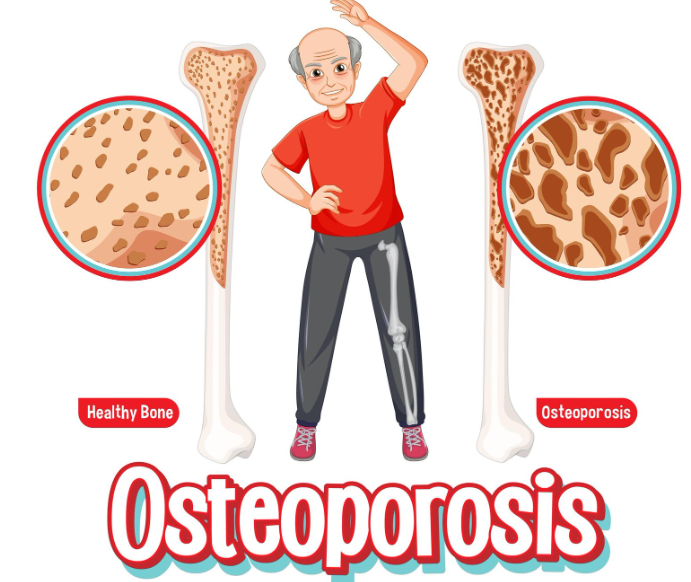
Maintaining strong bones is essential for mobility, balance, and overall health. Learning how to strengthen your bones and prevent osteoporosis early in life can reduce your risk of fractures, mobility loss, and chronic pain later on. Bones naturally lose density with age, but there’s so much you can do to slow that process and even build stronger bones through daily habits.([turn0search0][turn0search1])
Osteoporosis, a condition where bones become weak and brittle, affects millions worldwide. But it is not inevitable. With the right lifestyle strategies, you can support bone health at any age. This article explores actionable tips backed by experts to help you keep your skeleton strong.
Understanding Bone Health and Osteoporosis
Bones are living tissue that constantly remodels — breaking down and rebuilding itself. Throughout your 20s and 30s, your body builds more bone mass than it loses. After that, bone breakdown slowly begins to outpace new growth. This is why peak bone mass matters and why habits you start now can influence your bone strength later.([turn0search10])
Osteoporosis is characterized by bone loss and increased fracture risk. It often shows no symptoms until a fracture happens. That’s why prevention is so important. Building higher bone density now can significantly lower your risk later in life.
The Role of Nutrition in Strong Bones
One of the most crucial elements in how to strengthen your bones and prevent osteoporosis is nutrition. The right nutrients support bone formation and slow bone loss.
Calcium: The Building Block of Bone
Calcium is the primary mineral stored in your bones. Without enough calcium, your body will take what it needs from your bones — weakening them. Adults typically need about 1,000–1,200 milligrams of calcium per day. Dietary sources are best because your body absorbs calcium more efficiently from food than from pills.([turn0search2][turn0search1])
- Dairy products like milk, cheese, and yogurt.
- Leafy green vegetables such as kale and broccoli.
- Sardines with bones and calcium‑fortified foods like tofu and orange juice.
Best Calcium‑Rich Foods for Bone Health
Vitamin D: Helping Your Body Absorb Calcium
Vitamin D plays an important role by helping your body absorb calcium. Natural sunlight helps your skin produce vitamin D, but many people don’t get enough through sun exposure alone — especially during winter months or if they spend most of the day indoors.([turn0search3][turn0search14])
Foods rich in vitamin D include fatty fish like salmon, fortified dairy products, and eggs. A supplement may be necessary if you are deficient or have limited sun exposure — check with your healthcare provider before starting any new supplement.
Protein and Other Nutrients for Bone Health
Protein contributes to bone formation and maintenance. Adequate protein intake ensures your bones have the raw materials they need for strength. Other minerals such as magnesium and zinc also play supportive roles in bone structure.([turn0search4])
A balanced diet rich in fruits, vegetables, lean proteins, and whole grains supports your overall bone health and helps you maintain a healthy weight. Being underweight can reduce bone mass, while proper nutrition helps preserve bone density.
Daily Activities That Strengthen Bones
Exercise is one of the most powerful lifestyle habits when it comes to building and maintaining bone strength. Physical activity stimulates bone formation and slows bone loss.([turn0search0][turn0search2])
Weight‑Bearing Exercises
Weight‑bearing exercises make your bones work against gravity. These activities encourage your body to build more bone. Examples include:
- Brisk walking or jogging
- Dancing or aerobics
- Climbing stairs
- Tennis or other racket sports
Physical Activity for Bone Strength
These exercises do double duty — helping bone strength while improving your heart and lung function. Aim for at least 30 minutes most days of the week.
Resistance and Strength Training
Resistance training — using weights, resistance bands, or your own bodyweight — pulls on your muscles and bones, encouraging them to grow stronger. Exercises like squats, pushups, and lifting light weights all contribute to bone density.([turn0search2])
- Weight machines at the gym
- Resistance bands at home
- Pushups and body weight exercises
Balance and Flexibility Activities
Activities like Tai Chi or gentle yoga improve balance, coordination, and posture. These help reduce your risk of falls — and fractures — especially as you age. Better balance means fewer fall‑related injuries, making them a valuable part of your bone‑strengthening routine.([turn0search0])
Lifestyle Habits That Protect Bone Health
Some daily habits can weaken bones over time. Changing or avoiding these can help keep your skeleton strong and reduce your risk of osteoporosis.([turn0search0][turn0search3])
Quit Smoking
Smoking has been linked to lower bone density and higher fracture risk. Smoking interferes with bone‑building cells and reduces blood supply to your bones, weakening them over time.
Limit Alcohol Intake
Drinking excessive alcohol can harm bone health by interrupting the balance of calcium and affecting vitamin D metabolism. Limiting alcohol to moderate levels — no more than one drink per day for women and two for men — is recommended for overall health.([turn0search3])
Watch Caffeine and Salt
High levels of caffeine and sodium may reduce calcium absorption or increase calcium loss in urine. Moderation helps ensure your bones retain the calcium they need to stay strong.([turn0search6])
Bone Density Screening and Monitoring
For many people, especially women over age 65 and men over age 70, regular bone density screening is important. This simple test (often called a DXA scan) measures bone mineral density and identifies early signs of bone loss before fractures occur. Ask your healthcare provider when you should schedule yours. Screening earlier may be recommended if you have risk factors such as family history, steroid use, or other medical conditions.([turn0search1])
Common Myths About Bone Health
There are several misconceptions that can slow progress in strengthening bones. Let’s clear up a few:
- Myth: You can only build strong bones when you’re young. Truth: While peak bone mass happens earlier in life, adults of all ages can slow bone loss and build density with the right habits.([turn0search0])
- Myth: Supplements alone are enough. Truth: Supplements can help, but diet and exercise are foundational to bone strength and prevention of osteoporosis.([turn0search2])
- Myth: You need intense exercise for bone health. Truth: Even moderate weight‑bearing and muscle‑strengthening activities — done consistently — can make a big difference.([turn0search4])
Tips for Long‑Term Bone Health Success
Building stronger bones is a lifelong journey, but adopting these simple habits can make a huge difference over time. Here’s how to stay on track:
- Keep moving — aim for regular exercise at least 4–5 days each week.
- Eat a balanced diet rich in calcium, vitamin D, and protein.
- Stay mindful of bone‑weakening habits like smoking and heavy alcohol use.
- Talk to your doctor about bone density tests and personalized prevention strategies.
Understanding how to strengthen your bones and prevent osteoporosis helps you take proactive steps toward stronger, healthier bones throughout your life. You don’t have to change everything overnight — start with a few habits and build from there. With consistency and care, you can maintain and even improve your bone strength at any age.
