Leasing a car can be an exciting step, but it’s easy to get blindsided by unexpected charges. This guide will help you understand How to Avoid Hidden Fees in Your New Car Lease so you can drive away confident and informed.
Hidden fees in a lease can significantly increase your total cost. Knowing what to look for and how to negotiate can save you hundreds — or even thousands — over the life of your lease.
Why Hidden Fees Matter
Your monthly lease payment might seem affordable, but if you don’t account for all fees, you may pay a lot more than anticipated. Dealers and leasing companies sometimes include charges that you might not expect if you don’t read the fine print. These fees can appear at signing, during your lease, and at lease end.
By understanding How to Avoid Hidden Fees in Your New Car Lease, you’ll stay in control of your budget and avoid unpleasant surprises.
Read the Lease Agreement Carefully
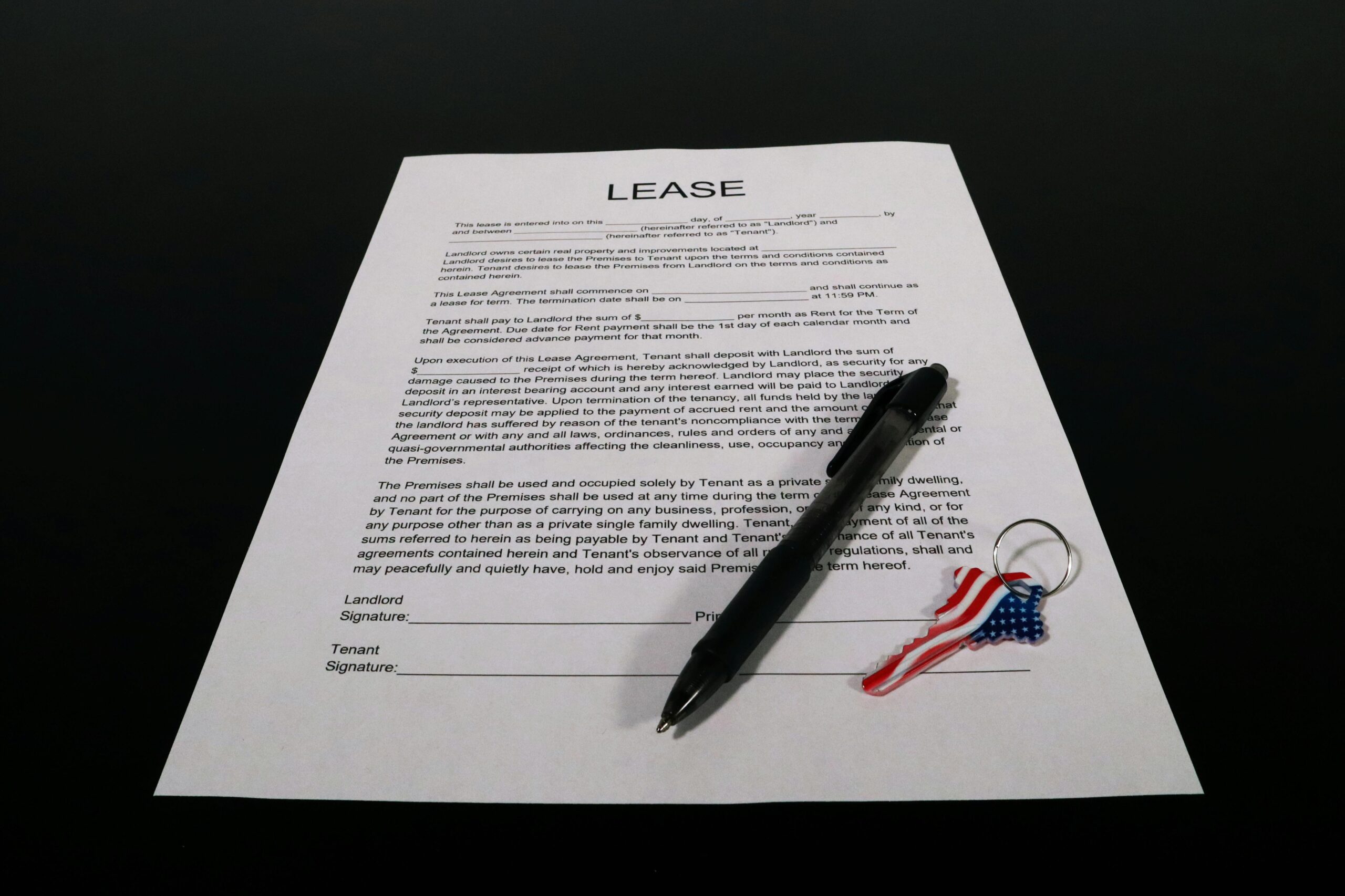
The smartest first step you can take is to read the entire lease agreement before signing. It might seem tedious, but the details matter.
Look out for fees that may be buried in the fine print. Ask your leasing agent to explain every charge you don’t understand. If they hesitate or aren’t clear, that could be a red flag.
Understanding the contract upfront helps you avoid extra costs later. Don’t sign anything until you’re confident you know every fee included.
Common Hidden Fees to Watch For
Lease contracts often include fees that aren’t obvious at first glance. Knowing common fees helps you plan for them or negotiate them out of your lease.
1. Acquisition Fees
An acquisition fee is charged at the start of your lease to cover the cost of arranging the agreement. This fee is usually legitimate, but it can range from a few hundred to more than a thousand dollars. Ask for it to be reduced or rolled into your monthly payment if possible. :contentReference[oaicite:0]{index=0}
2. Disposition Fees
When you return your leased vehicle, the leasing company may charge a disposition fee to inspect, clean, and prepare the car for resale. This fee often ranges between $300 and $500. :contentReference[oaicite:1]{index=1}
Some dealers will waive this fee if you lease or purchase a new vehicle from them. Be sure to ask before you agree to the lease. :contentReference[oaicite:2]{index=2}
3. Mileage Overage Penalties
Most leases include an annual mileage limit (commonly 10,000–15,000 miles per year). If you exceed that limit, you’ll pay per mile over your allowance — often between $0.15 and $0.30 per mile. :contentReference[oaicite:3]{index=3}
This can add up quickly, so be realistic about how much you drive. If you expect to go over, negotiate a higher mileage allowance at the start — it’s usually cheaper than paying overage fees at lease end. :contentReference[oaicite:4]{index=4}
4. Wear and Tear Fees
Leasing companies charge for excessive damage beyond “normal wear and tear” when you return the vehicle. This can include scratches, dents, stains, or worn tires. :contentReference[oaicite:5]{index=5}
Minor issues that you could fix yourself before returning the car could save you from hefty inspection charges. Consider a pre-return inspection to catch issues early. :contentReference[oaicite:6]{index=6}
5. Documentation and Admin Fees
Dealerships may add administrative or documentation fees for processing your lease paperwork. These can range from $200 to $600 or more. :contentReference[oaicite:7]{index=7}
Always ask for these fees to be explained and negotiate them down or removed if possible.
6. Taxes and Registration Fees
Taxes and registration aren’t technically hidden, but they often don’t show up in the advertised monthly payment. Sales tax may be applied to the total lease value or monthly payments, and registration fees vary by state. :contentReference[oaicite:8]{index=8}
Request an “out-the-door” quote that includes all taxes and fees so you know the full cost before signing.
Strategies to Avoid Hidden Fees
Once you know what to watch for, use these insider strategies to minimize or avoid extra costs in your lease.
Negotiate Every Fee You Can
Not all fees are set in stone. Many are negotiable — including documentation fees and even disposition fees if you plan to lease again with the same dealer. Dealers often have leeway, especially near month-end when they’re trying to meet sales goals.
Ask for a breakdown of every fee and push back on anything that seems inflated or unnecessary.
Get Everything in Writing
Verbal promises can be forgotten or ignored. Always get all offers and negotiated changes in writing. This gives you a clear record and prevents dealers from adding fees later during the signing process.
Compare Multiple Lease Offers
Don’t take the first lease offer you get. Collect quotes from several dealers and compare fees line by line. You might find that one dealer’s quoted monthly payment is higher but includes more services or fewer hidden charges.
Using tools like car leasing advice and lease deals can help you compare incentives, fees, and terms across brands and dealerships.
Check Dealer Reviews for Fee Complaints
Before signing with a dealer, check online reviews. Sites like DealerRater dealer reviews let you see if others have complained about hidden fees or surprise charges.
If a pattern of soggy fees and bad experiences emerges, consider shopping elsewhere.
Know Your State’s Fee Limits
Some states regulate how much dealerships can charge for documentation or certain services. Knowing your state’s limits helps you spot when a dealer is overcharging you. Research your state’s auto fee regulations before signing.
Watch Out for Add‑Ons and Optional Services
Dealers often try to sell extras like paint protection, VIN etching, or extended warranties at inflated prices. These add-ons may be helpful for some drivers, but they aren’t required, and many can be purchased elsewhere for less.
If a dealer includes these in your lease contract without your clear consent, question them and remove anything you don’t want or need.
Plan for Lease End Early
The end of your lease is where many hidden charges show up. To avoid costly penalties:
- Inspect the vehicle early
- Get repairs done yourself before return
- Keep documentation of maintenance
- Consider buying out the lease if you want to avoid disposition fees entirely by working with the leasing company — often requiring negotiation early in the lease process. :contentReference[oaicite:9]{index=9}
Calculate the True Cost of Your Lease
To avoid surprises, calculate your lease’s total cost, including all fees. Don’t judge a lease by its monthly payment alone — a low monthly amount can hide fees rolled into the term that end up costing more in the long run.
You can use a lease calculator to break down payments, fees, and mileage costs so you see the full picture before signing.
Internal Resources to Help You
For more tips on smart car leasing and buying, check out our internal guides:
- Car Leasing Basics — Learn how lease terms and payments work.
- Auto Financing Guide — Compare leasing with buying and understand financial implications.
- Car Buying Mistakes to Avoid — Common errors that add cost.
External Tools to Compare Fees
Before you commit to a lease:
- Car and Driver lease fee guides — Understand common fees and typical ranges.
- Lease payment calculators — Estimate total costs with fees and taxes included.
- CFPB auto loan and lease tips — Federal guidance on car financing and leasing costs.
Final Thoughts
Being informed is the best defense when it comes to How to Avoid Hidden Fees in Your New Car Lease. Hidden fees can quietly double your cost if you aren’t vigilant. The key is to read your contract, ask questions, negotiate aggressively, and compare multiple offers.
Going into a lease armed with knowledge helps you avoid unexpected charges and ensures you stay within your budget. With careful planning and negotiation, you can enjoy your new car without surprising bills.
