When it comes to protecting your vehicle, choosing the right warranty is crucial. Understanding How to Decide Between Powertrain and Full Extended Car Warranty can save you money, prevent unexpected repair costs, and provide peace of mind. While both options offer coverage beyond your factory warranty, knowing the differences ensures you make the best choice for your car and budget.
What Is a Powertrain Extended Warranty?
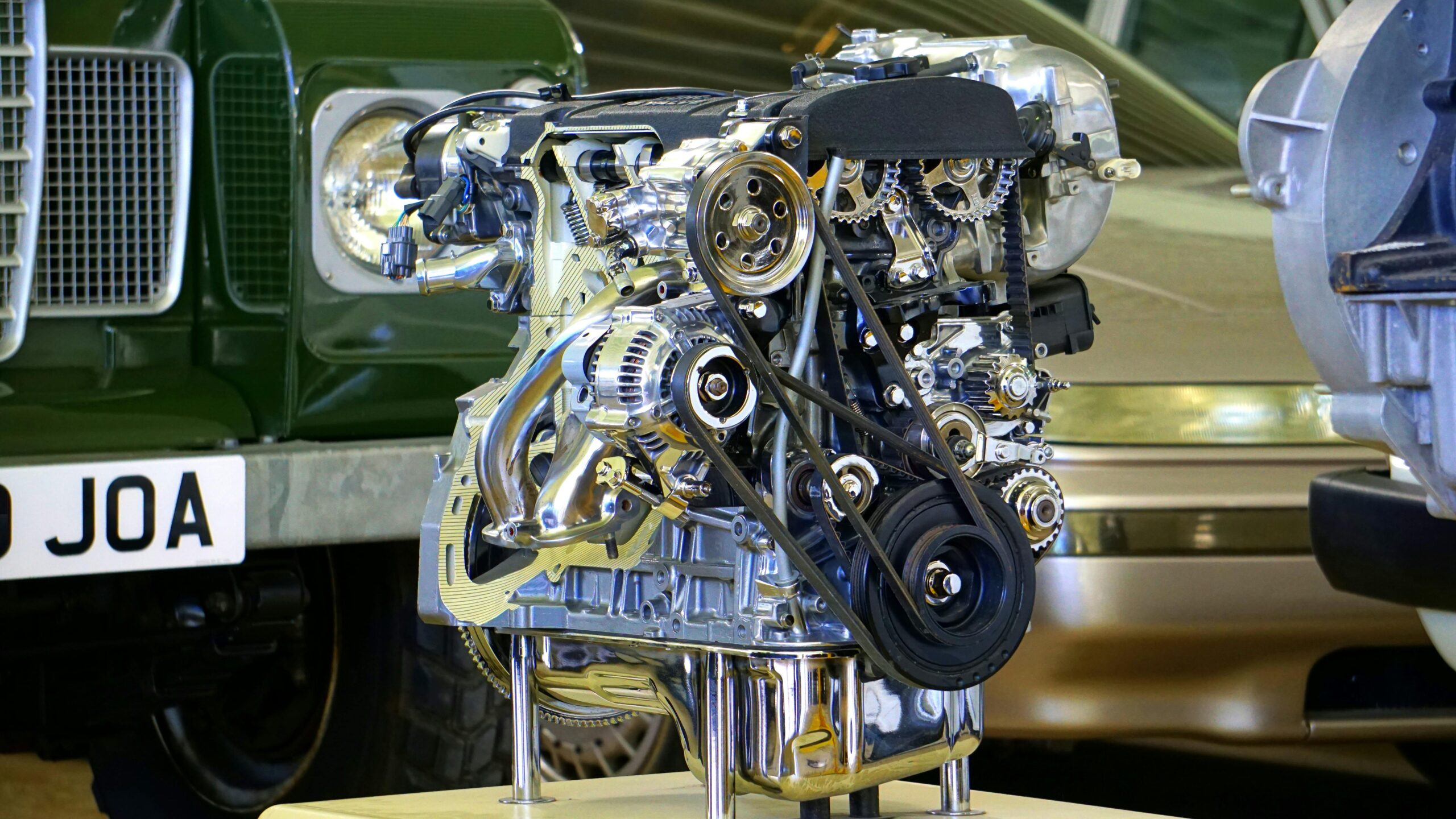
A powertrain warranty focuses on your vehicle’s most critical components: the engine, transmission, and drivetrain. These parts are the most expensive to repair, which makes this type of coverage ideal for high-mileage or older vehicles.
Key benefits of a powertrain warranty include:
- Lower cost: Typically more affordable than a full extended warranty.
- Focus on major repairs: Covers the components most likely to fail.
- Long-term protection: Ideal for owners who plan to keep their car for several years.
Learn more about powertrain warranty options at AutoBytel Powertrain Coverage.
What Is a Full Extended Car Warranty?
A full extended car warranty, also known as bumper-to-bumper coverage, provides protection for almost every system in your vehicle. This includes electrical systems, air conditioning, brakes, and sometimes even minor items like door locks or infotainment components.
Advantages of a full extended warranty include:
- Comprehensive coverage: Covers nearly all vehicle components, reducing out-of-pocket costs for unexpected repairs.
- Peace of mind: Buyers and owners feel secure knowing most issues are covered.
- Convenience: Simplifies the repair process, as you won’t need multiple policies for different systems.
For detailed options, visit Kelley Blue Book Extended Car Warranty Guide.
Key Differences Between Powertrain and Full Coverage
Understanding the differences helps you decide which warranty suits your needs:
| Feature | Powertrain Warranty | Full Extended Warranty |
|---|---|---|
| Coverage | Engine, transmission, drivetrain | All major systems, including electronics, AC, brakes |
| Cost | Lower | Higher |
| Best For | Older vehicles, high-mileage cars, budget-conscious owners | Newer cars, tech-heavy vehicles, owners seeking maximum protection |
| Repair Convenience | Focused, may require additional policies for other systems | Comprehensive, all repairs handled under one plan |
Factors to Consider When Choosing a Warranty
1. Vehicle Age and Mileage
Older vehicles or those with high mileage may benefit more from a powertrain warranty, as the engine and transmission are the most likely to fail. Newer vehicles or those with advanced technology systems often gain more value from a full extended warranty.
2. Budget
Powertrain warranties are more affordable, allowing you to protect the most expensive components without a high monthly or upfront cost. Full extended warranties can be pricey, but they provide comprehensive peace of mind. Think of this like investing in affiliate marketing versus a full dropshipping business—higher upfront cost can yield broader protection.
3. Vehicle Reliability
If your car is known for reliability and low maintenance, a powertrain warranty might suffice. Vehicles with frequent electronic or system issues may justify a full extended warranty.
4. Resale Value
A transferable full extended warranty can increase resale value, as buyers feel more secure. Powertrain warranties can also add value but may be less attractive to buyers who want complete coverage.
Tips for Choosing the Right Plan
1. Compare Providers
Not all warranties are created equal. Look for reputable providers with a strong track record. Check reviews and ratings at Consumer Reports Extended Warranty Reviews.
2. Check for Transferability
Transferable warranties make your car more attractive to future buyers. Both powertrain and full warranties can be transferable, but confirm this before purchasing.
3. Understand the Fine Print
Coverage limits, deductibles, and exclusions vary. Read the contract carefully to know exactly what is and isn’t covered. This step is crucial to avoid unexpected out-of-pocket expenses.
4. Consider Your Maintenance Habits
Warranties often require proper maintenance. Keep detailed records to ensure coverage remains valid. Similar to running an online business, consistent upkeep safeguards your investment.
Making the Final Decision
Ultimately, the choice between a powertrain warranty and a full extended warranty depends on your vehicle, budget, and risk tolerance. Ask yourself:
- Do I want to protect only major components or every system in my car?
- Am I willing to pay more upfront for full coverage?
- Do I plan to keep my car long-term, or will I sell it soon?
- How reliable is my vehicle, and what repairs are most likely?
Answering these questions will help guide your decision and maximize the benefits of your warranty.
Conclusion
Knowing How to Decide Between Powertrain and Full Extended Car Warranty ensures you select the right protection for your vehicle. A powertrain warranty offers targeted, cost-effective coverage for essential components, while a full extended warranty provides comprehensive peace of mind for your entire car. By evaluating your vehicle’s age, reliability, maintenance habits, and budget, you can make a confident choice.
Much like building a successful affiliate vs dropshipping strategy or scaling passive income streams in an online business, choosing the right extended warranty is about balancing risk, cost, and value.
For more information on comparing plans and providers, visit AutoBytel Extended Warranty Options.
