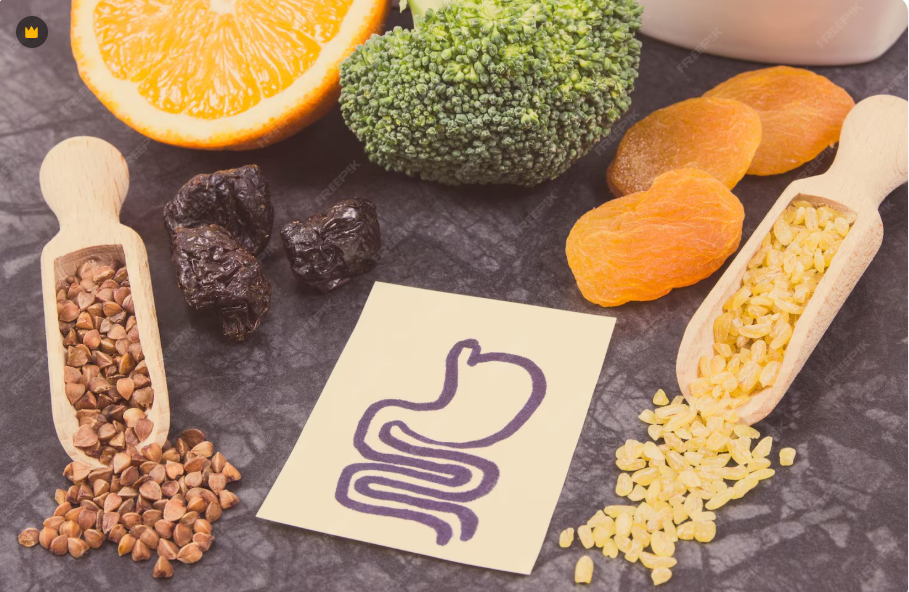
If you’ve been wondering How to Improve Gut Health with Simple Diet Changes, you’re not alone. Gut health plays a key role in digestion, immunity, mood, and overall wellness. The good news? You don’t need expensive products or radical diets to support a healthier gut — small, intentional changes to your daily eating habits can make a major difference. In this post, we’ll explore practical strategies grounded in scientific recommendations that you can start implementing today.
What Does “Gut Health” Really Mean?
When experts talk about “gut health,” they are referring to the condition of your gastrointestinal (GI) tract — especially the trillions of bacteria, fungi, and other microbes living there. These microbes, called the gut microbiome, help digest food, make vitamins, regulate inflammation, and even influence your immune system. A balanced microbiome is linked with better digestion, less bloating and gas, improved immunity, and overall vitality.
But if your diet is high in sugar, processed foods, and low in fiber, this balance can become disrupted, leading to digestive discomfort and long-term health issues. That’s why How to Improve Gut Health with Simple Diet Changes is so important for feeling your best every day. :contentReference[oaicite:0]{index=0}
How Simple Diet Changes Support Gut Health
Eat More Fiber-Rich Foods
Fiber is one of the easiest ways to support your gut microbiome naturally. Fiber feeds the “good” bacteria in your gut, helping them grow and thrive. According to experts, most people should aim for at least 21–38 grams of fiber per day from whole foods such as legumes, whole grains, fruits, and vegetables. :contentReference[oaicite:1]{index=1}
Examples of high-fiber foods include:
- Beans, lentils, and chickpeas
- Whole grains like oats, quinoa, and brown rice
- Vegetables like broccoli, kale, and Brussels sprouts
- Fruits like apples, pears, and berries
Eating a variety of fiber sources helps feed different species of beneficial gut bacteria, encouraging a diverse microbiome. :contentReference[oaicite:2]{index=2}
Include Prebiotic and Probiotic Foods
Prebiotics and probiotics work together to create a healthy gut environment. Prebiotics are fibers that feed beneficial bacteria, while probiotics are live bacteria themselves. Including both in your diet can help support a balanced gut microbiome.
Good prebiotic foods include garlic, onions, asparagus, bananas, and whole grains. Probiotic-rich foods include yogurt, kefir, sauerkraut, kimchi, and other fermented options. :contentReference[oaicite:3]{index=3}
By adding these foods to your meals, you naturally “boost” your gut with helpful microbes and fuel for their growth — without supplements or pills.
Hydrate Consistently
Water plays an essential role in digestion and gut health. Staying hydrated helps food move through your digestive tract, supports nutrient absorption, and keeps beneficial microbes happy. Dehydration, on the other hand, can slow down digestion and even change the makeup of your gut bacteria. :contentReference[oaicite:4]{index=4}
Try carrying a reusable water bottle or setting reminders to drink water throughout the day — small habits like these make a big impact over time.
Limit Foods That Disrupt the Microbiome
Equally important to eating gut-supportive foods is reducing those that harm your microbiome. Highly processed foods, added sugars, artificial sweeteners, and excessive saturated fats can reduce the diversity of your gut bacteria and promote inflammation. :contentReference[oaicite:5]{index=5}
To protect your gut:
- Avoid sugary snacks, soda, and baked goods
- Choose whole foods instead of packaged meals
- Limit red and processed meats where possible
Meal and Snacking Tips for Better Gut Health
Start Your Day with Gut-Friendly Choices
Breakfast sets the tone for your day. Choose meals that combine fiber and probiotics, such as:
- Plain Greek yogurt with berries and oats
- A high-fiber smoothie with spinach, banana, and chia seeds
- Whole-grain toast with avocado and a side of fresh fruit
These options are easy to prepare and help feed the beneficial bacteria in your gut right from the first meal. :contentReference[oaicite:6]{index=6}
Snack Smart with Whole Foods
Healthy snacks can also support your gut. Instead of reaching for chips or sweets, try:
- Vegetable sticks with hummus
- Fruit and nut mixes
- Fermented pickles or a small serving of sauerkraut
These snacks provide fiber and nutrients that fuel your microbiome throughout the day. :contentReference[oaicite:7]{index=7}
Why Diet Changes Matter for Long-Term Health
Small tweaks to your diet don’t just improve digestion — they can lead to broad health benefits. A balanced gut microbiome is linked to a stronger immune system, better mood and energy, and reduced inflammation. Some research even suggests that a healthy gut may support heart health and mental wellness. :contentReference[oaicite:8]{index=8}
Over time, simple changes like increasing fiber, eating fermented foods, and cutting back on processed items can create lasting shifts in your metabolic health and overall well-being. These changes also support other areas of your life, like weight management and better sleep.
How to Stay Consistent with Diet Changes
Sustainable progress comes from consistency. Here are tips to help maintain your gut-friendly diet long-term:
- Plan Ahead — Meal prep can keep you from turning to processed foods when you’re busy.
- Track Your Progress — Note any changes in digestion, energy, or mood over time.
- Try New Foods — Exploring new fiber-rich fruits and fermented options keeps meals interesting.
- Slow and Steady — Gradually build fiber intake to avoid digestive discomfort.
Final Thoughts: Your Gut Health Journey Starts Today
Understanding How to Improve Gut Health with Simple Diet Changes doesn’t require complicated diets or extreme measures. With thoughtful choices and everyday habits, you can support a balanced gut microbiome that helps you feel — and function — better day after day.
Remember: slow, sustainable changes are often the most effective. Start with one or two adjustments, like increasing fiber or adding fermented foods, and build from there. Your gut — and your whole body — will thank you.
External Resources for Deep Dives
For more detailed guidance on nutrition and gut health, check out reputable health sources such as:
