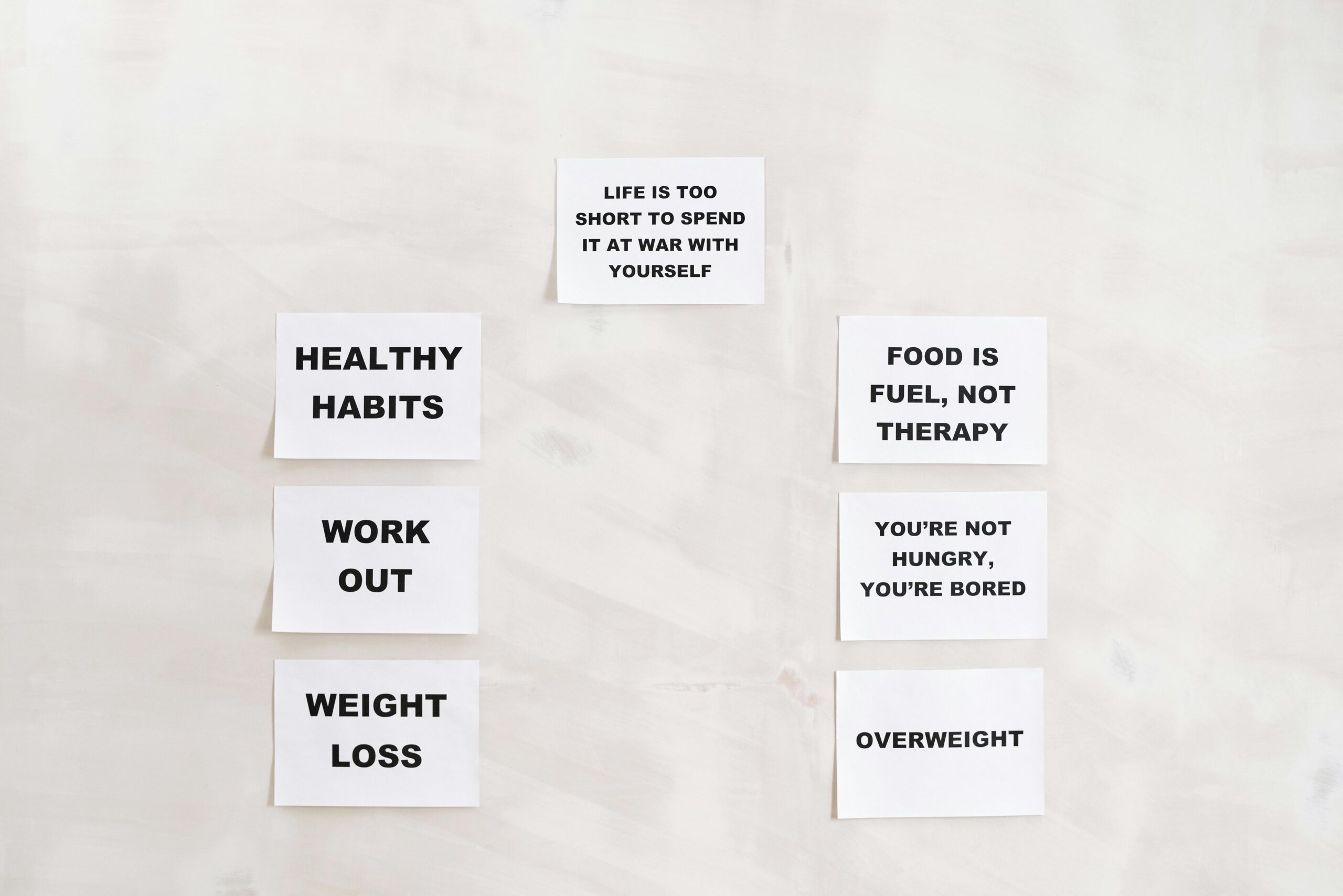
Maintaining a robust heart is one of the most impactful ways to support overall health and longevity. If you’re curious about how to improve heart health through simple daily habits, this comprehensive guide offers practical, research‑backed strategies you can start today. Heart disease remains a leading cause of death globally, but lifestyle choices make a meaningful difference. Small changes practiced consistently can strengthen your heart, reduce risk factors, and enhance your quality of life.:contentReference[oaicite:0]{index=0}
Why Daily Habits Matter for Heart Health
Your heart works tirelessly to circulate blood, deliver oxygen, and support vital functions. Daily habits—like your diet, physical activity, and sleep patterns—affect your blood pressure, cholesterol levels, weight, and stress. Over time, these factors influence your risk of heart disease, stroke, and other cardiovascular conditions. By adopting healthy habits every day, you give your heart a consistent advantage in staying strong and resilient.
Understanding how to improve heart health through simple daily habits is about choosing patterns that support your cardiovascular system long term. Lifestyle changes can often be more effective than short‑term fixes because they become sustainable parts of your routine.
1. Eat a Heart‑Healthy Diet
A heart‑healthy diet plays a central role in supporting your cardiovascular system. Food influences inflammation, blood pressure, cholesterol, and body weight—all major heart health factors.
Start with these simple nutrition habits:
- Include a variety of fruits and vegetables in every meal to boost fiber and antioxidants.:contentReference[oaicite:1]{index=1}
- Choose whole grains like oats, brown rice, and whole‑wheat products for long‑lasting energy and heart protection.:contentReference[oaicite:2]{index=2}
- Eat fish rich in omega‑3 fatty acids (such as salmon, sardines, or trout) at least twice a week to help lower triglycerides and support heart health.:contentReference[oaicite:3]{index=3}
- Use heart‑healthy fats like olive oil, nuts, and seeds instead of saturated fats and trans fats.:contentReference[oaicite:4]{index=4}
- Limit added sugars and sodium from processed foods, which can raise blood pressure and strain your heart.:contentReference[oaicite:5]{index=5}
Here’s a helpful external resource on heart‑healthy nutrition:
American Heart Association – Heart‑Healthy Eating Tips
2. Move Your Body Every Day
Regular physical activity strengthens your heart muscle, improves circulation, and can help manage weight. Research shows that 150 minutes of moderate‑intensity aerobic activity per week—such as brisk walking—is linked to better heart outcomes.:contentReference[oaicite:6]{index=6}
Simple daily activities that count include:
- Brisk walking or cycling around your neighborhood.:contentReference[oaicite:7]{index=7}
- Taking the stairs instead of the elevator.:contentReference[oaicite:8]{index=8}
- Gardening, dancing, or light household chores that elevate your heart rate.:contentReference[oaicite:9]{index=9}
- Short bursts of exercise, such as 10‑minute activity blocks throughout the day.:contentReference[oaicite:10]{index=10}
Physical activity also helps lower stress, improve sleep, and regulate blood sugar—all benefits that support heart health.
3. Maintain a Healthy Weight
Carrying excess weight makes your heart work harder. Losing even a modest amount of weight—5 to 10 percent of your body weight—can lower blood pressure, improve cholesterol, and reduce your risk of heart disease.:contentReference[oaicite:11]{index=11}
Combine sensible eating and regular activity to reach or maintain a healthy weight. It’s not about perfection; consistent daily habits compound into meaningful results over time.
4. Prioritize Quality Sleep
Good sleep is essential for heart health. Adults should aim for 7–9 hours of quality sleep per night. Poor sleep can elevate stress hormones and increase the risk of high blood pressure and inflammation.:contentReference[oaicite:12]{index=12}
To improve your sleep:
- Create a calming bedtime routine.
- Avoid screens at least one hour before bed.
- Sleep in a cool, dark, quiet environment.
Better sleep supports your metabolism, mood, and energy levels, which makes sticking to healthy habits easier.
5. Stay Hydrated
Proper hydration helps your heart pump blood more effectively and supports healthy circulation. Water also aids digestion and helps control calorie intake by reducing hunger.:contentReference[oaicite:13]{index=13}
Limit sugary drinks and excessive caffeine, which can contribute to dehydration and stress on your cardiovascular system.
6. Manage Stress Every Day
Chronic stress can raise blood pressure and promote unhealthy habits like overeating, poor sleep, and inactivity. Developing stress management techniques is an essential part of how to improve heart health through simple daily habits.
Try these daily stress‑reducing practices:
- Deep breathing exercises.
- Mindfulness or meditation sessions.
- Light yoga or stretching.
- Spending time in nature or with loved ones.:contentReference[oaicite:14]{index=14}
Over time, these techniques help keep your heart rate and blood pressure in healthier ranges.
7. Quit Smoking and Limit Alcohol
Smoking damages blood vessels and increases the risk of heart disease. Slowing or stopping tobacco use—whether cigarettes, vaping, or chewing tobacco—improves cardiovascular health immediately and over the long term.:contentReference[oaicite:15]{index=15}
Alcohol may have mixed effects depending on amount and individual health. Limiting intake or avoiding alcohol can help reduce blood pressure and help maintain a healthy weight.
8. Monitor Your Health Numbers
Regular check‑ups can help you track key indicators such as blood pressure, cholesterol, and blood sugar. Early detection of changes allows you to make adjustments before they develop into serious issues.:contentReference[oaicite:16]{index=16}
Ask your healthcare provider about appropriate targets for your age and health status. Tracking your numbers becomes a powerful tool in how to improve heart health through simple daily habits because it keeps you informed and proactive.
9. Make Your Daily Habits Sustainable
One of the biggest keys to success is making heart‑healthy habits part of your routine. Start with one or two changes that feel achievable. As you gain confidence, add more steps into your daily life.
Create a simple checklist you can follow each day:
- Eat at least five servings of fruits and vegetables.
- Walk or exercise for at least 30 minutes.
- Drink enough water throughout the day.
- Prioritize sleep and manage stress.
- Limit unhealthy fats, sugar, and sodium.
- Keep regular healthcare check‑ups.:contentReference[oaicite:17]{index=17}
These habits may seem small individually, but they can have a powerful collective impact on your heart and overall health.
Conclusion
Understanding how to improve heart health through simple daily habits empowers you to take charge of your cardiovascular wellbeing with confidence. By choosing nutritious foods, staying active, managing stress, and nurturing your body with quality sleep and hydration, you create a foundation for a healthier heart and a stronger life.
Start with small steps. Be consistent. Over time, daily habits transform into lasting heart health benefits that help you live a long, vibrant, and fulfilling life.
