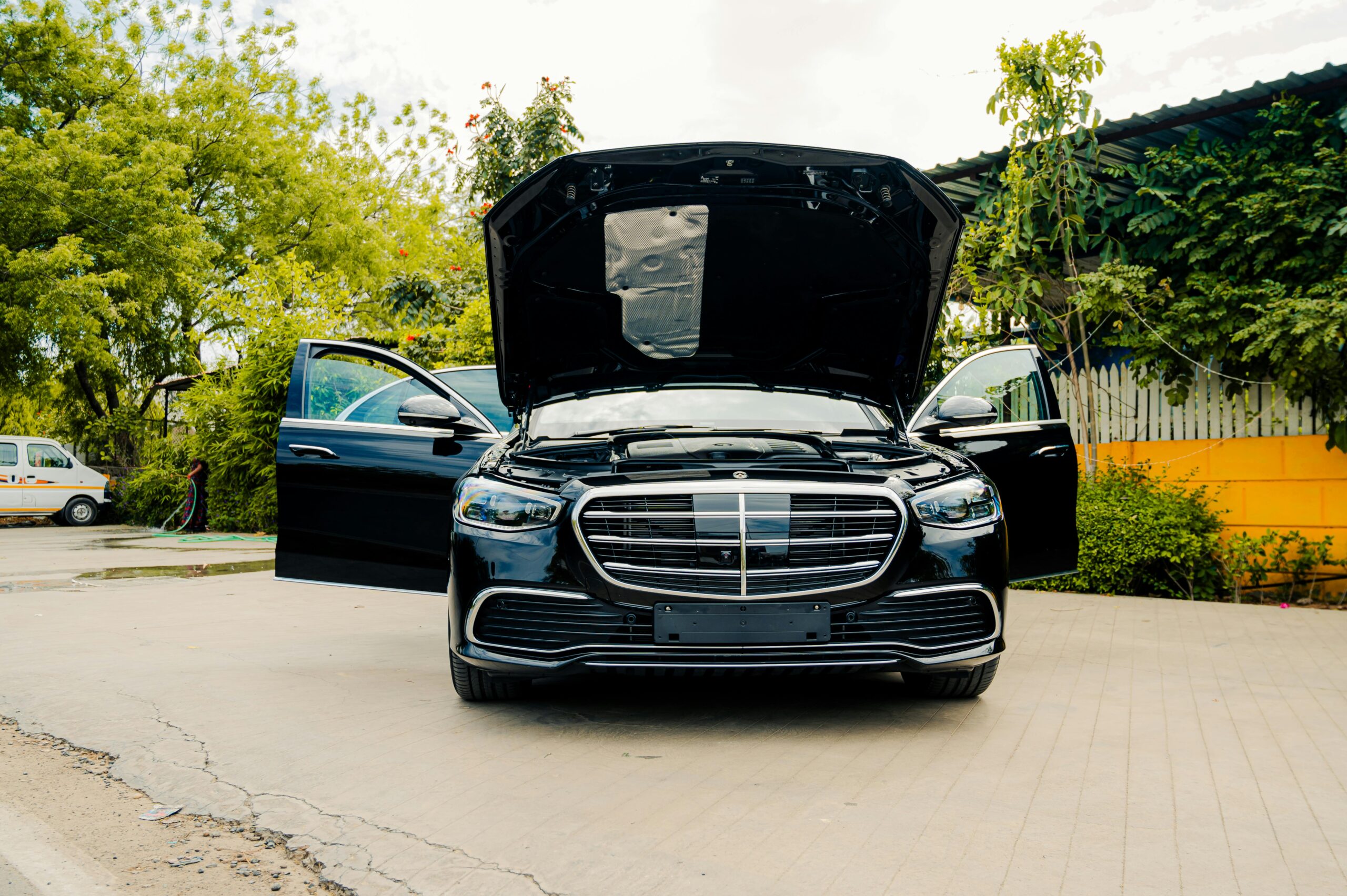
Deciding between Luxury Cars vs. Premium Cars: Which One Should You Pick? can be difficult. Both segments deliver excellent comfort, advanced technology, and a refined driving experience. The right choice depends on your priorities, budget, and driving style.
In this guide, we’ll explain the key differences, highlight pros and cons, and help you make a confident choice. You’ll learn what separates true luxury vehicles from premium models, and how to choose the one that best fits your lifestyle and goals.
What Do We Mean by “Premium” and “Luxury”?
Before tackling Luxury Cars vs. Premium Cars: Which One Should You Pick?, it’s important to define the terms. Both segments are above standard cars, but they serve slightly different purposes. :contentReference[oaicite:0]{index=0}
Premium cars are typically high‑trim versions of mainstream models. They offer upgraded materials, advanced technology, and improved performance compared to base versions. Examples might include top trims of family sedans or SUVs. :contentReference[oaicite:1]{index=1}
Luxury cars are vehicles designed with exclusivity, craftsmanship, and prestige in mind. These models often come from brands known for status and sophistication. They feature superior materials, bespoke design, and refined performance that stands apart from mainstream cars. :contentReference[oaicite:2]{index=2}
Though these definitions overlap in some cases, recognizing the core intention behind each category is crucial when asking “Luxury Cars vs. Premium Cars: Which One Should You Pick?”
Key Differences Between Premium and Luxury Cars
Understanding the differences helps you make an informed choice. Here are the main contrasts to remember: :contentReference[oaicite:3]{index=3}
Price and Exclusivity
Luxury cars usually cost more than premium models. That’s because luxury brands often invest heavily in bespoke materials, extensive customization, and handcrafted details that set them apart. Premium cars aim to improve upon mainstream options without the same level of exclusivity. :contentReference[oaicite:4]{index=4}
Materials and Craftsmanship
While both segments use higher‑quality materials than average cars, luxury vehicles typically include hand‑stitched leather, open‑pore wood, and unique metal trims. Premium vehicles often offer synthetic leather or soft‑touch plastics that enhance comfort but may not match the depth of luxury finishes. :contentReference[oaicite:5]{index=5}
Technology and Performance
Premium cars often include advanced infotainment and driver‑assistance systems, but luxury cars take this a step further with state‑of‑the‑art features such as adaptive suspension systems, gesture controls, and predictive systems that anticipate road conditions. :contentReference[oaicite:6]{index=6}
Brand and Image
Luxury vehicles often come from brands that are synonymous with status and success. Driving a true luxury car communicates a certain lifestyle that goes beyond everyday transportation. Premium cars may offer similar comfort but generally carry less brand prestige. :contentReference[oaicite:7]{index=7}
Similarities: Where the Lines Blur
When exploring Luxury Cars vs. Premium Cars: Which One Should You Pick?, you’ll also notice similarities. These categories share many traits that make both attractive choices. :contentReference[oaicite:8]{index=8}
- Comfort‑oriented design with ergonomic seating and advanced climate control.
- High‑quality materials in seats, dashboards, and trim panels.
- Advanced safety technologies like adaptive cruise control and lane‑keeping assistance.
- Refined driving dynamics compared to standard models.
Because technology trickles down quickly in the automotive world, features once reserved for true luxury cars are increasingly found in premium cars. This makes the choice less clear than it once was. :contentReference[oaicite:9]{index=9}
Pros and Cons: Luxury vs. Premium
Here’s a closer look at the benefits and trade‑offs for each segment to help answer Luxury Cars vs. Premium Cars: Which One Should You Pick?
Luxury Cars
- Pros: Superior craftsmanship, advanced features, prestigious branding, and often quieter cabins.
- Cons: Higher purchase price, elevated maintenance and insurance costs, and rapid depreciation in some models. :contentReference[oaicite:10]{index=10}
Premium Cars
- Pros: More affordable than luxury cars, cost‑effective service and parts, and still excellent comfort and technology. :contentReference[oaicite:11]{index=11}
- Cons: Less exclusivity and craftsmanship than true luxury models. Premium cars often offer less emotional appeal or status perception. :contentReference[oaicite:12]{index=12}
When to Choose a Premium Car
If you’re still thinking about Luxury Cars vs. Premium Cars: Which One Should You Pick?, consider the following scenarios where a premium car might be your best choice:
- Budget‑minded buyers who still want an elevated driving experience.
- Daily commuters who prioritize reliability and comfort without spending top dollar.
- Practical owners who value technology and safety over brand prestige. :contentReference[oaicite:13]{index=13}
Premium models often provide excellent value and long‑term satisfaction for drivers who want a comfortable and refined ride without the higher costs associated with luxury brands.
When to Choose a Luxury Car
Luxury vehicles become the better choice in other situations:
- Status and image matters – if brand prestige and exclusivity are important to you.
- High technology demand – luxury cars often include the most advanced safety, comfort, and infotainment systems first.
- Personalized experience – bespoke options and customization are hallmarks of true luxury. :contentReference[oaicite:14]{index=14}
If luxury is part of your identity and you want a car that makes a bold statement and delivers a premium life experience, investing in a luxury vehicle may be worth the extra cost.
Real‑World Examples
To make the debate of Luxury Cars vs. Premium Cars: Which One Should You Pick? more tangible, here are examples of each segment:
- Premium Cars: Top trims of mainstream models such as the Mazda CX‑5 Signature, Honda Accord Touring, or Toyota Crown Platinum. :contentReference[oaicite:15]{index=15}
- Luxury Cars: Vehicles from dedicated luxury brands like Mercedes‑Benz S‑Class, BMW 7 Series, or Lexus LS. :contentReference[oaicite:16]{index=16}
Entry‑level luxury vehicles (like the Audi A4 or BMW 3‑Series) sometimes sit in a grey area — they offer many features of luxury cars but at prices closer to premium rivals. This overlap means your personal needs and budget should drive your decision more than labels. :contentReference[oaicite:17]{index=17}
Tips for Making the Right Choice
As you reflect on Luxury Cars vs. Premium Cars: Which One Should You Pick?, keep these decision tips in mind:
- Identify what matters most — performance, comfort, status, or tech.
- Compare total ownership costs, including maintenance and insurance.
- Test drive vehicles from both categories to feel the differences yourself.
- Consider resale value and depreciation when calculating long‑term investment. :contentReference[oaicite:18]{index=18}
Conclusion
Deciding between Luxury Cars vs. Premium Cars: Which One Should You Pick? comes down to your goals and personal preferences. Premium cars offer remarkable comfort, technology, and value. Luxury cars take refinement, craftsmanship, and brand appeal even further — at a higher cost.
Whether you choose a premium vehicle for practical excellence or a luxury car for prestige and exclusivity, your ideal car should match your lifestyle, budget, and expectations for performance and comfort. With a clear understanding of both segments, you can choose confidently and enjoy the driving experience you deserve.
