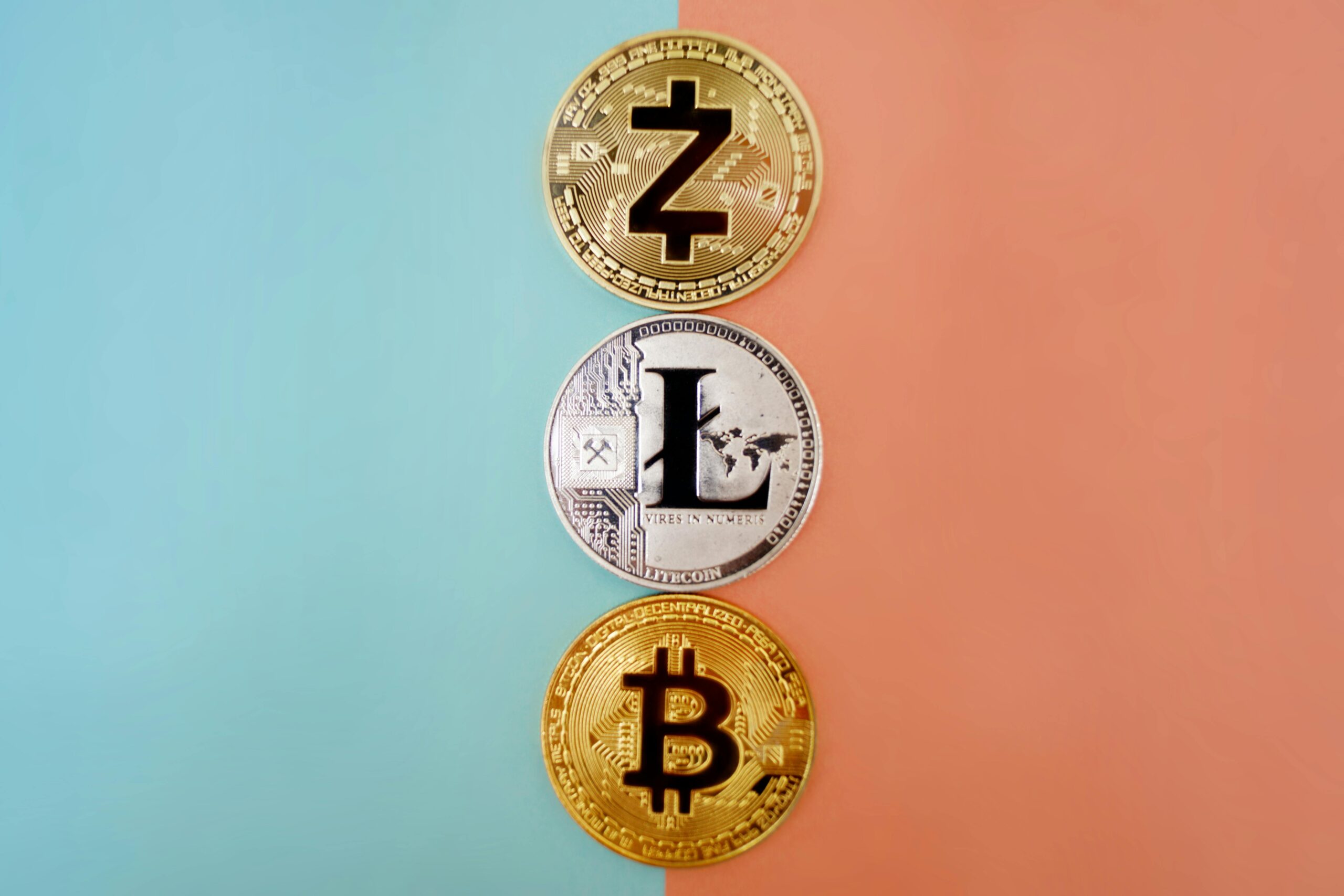
Initial Coin Offerings (ICOs) have emerged as a popular way for blockchain projects to raise funds and for investors to access early-stage opportunities. However, ICOs can also be risky, with scams and poorly executed projects common in the market. Learning how to participate in a blockchain ICO safely is essential for protecting your investments and maximizing returns.
What is a Blockchain ICO?
A blockchain ICO is a fundraising method where a project sells its native tokens to investors in exchange for established cryptocurrencies like Bitcoin or Ethereum. ICOs allow projects to secure early funding, while investors gain potential future benefits if the project succeeds.
Unlike traditional stock offerings, ICOs are largely unregulated, which increases the potential rewards—but also the risks.
Why Safety Matters in ICOs
Many ICOs fail due to poor management, lack of transparency, or outright fraud. Scams such as fake projects, Ponzi schemes, and phishing attacks have cost investors millions. Understanding how to participate in a blockchain ICO safely ensures you:
- Avoid fraudulent projects
- Protect your private keys and crypto holdings
- Make informed investment decisions
Step 1: Conduct Thorough Research
Before investing in an ICO, research is critical. Consider the following:
Whitepaper Analysis
The ICO whitepaper outlines the project’s vision, technical roadmap, tokenomics, and team. Look for:
- Clear project goals and use case
- Token distribution details
- Roadmap milestones and timelines
- Legal disclaimers and compliance statements
Red flags include vague explanations, unrealistic returns, or anonymous teams. For official guidance, consult resources like Investopedia ICO Guide.
Team and Advisors
Verify the credentials of the team behind the ICO. Look for LinkedIn profiles, previous projects, and advisory board experience. A transparent, experienced team is more likely to execute successfully.
Community and Reputation
Check social media channels, forums, and news outlets for feedback about the project. A strong, active community and positive reviews indicate higher credibility.
Step 2: Verify Legal and Regulatory Compliance
Since ICOs are largely unregulated, compliance can vary by jurisdiction. Ensure the ICO:
- Abides by your country’s securities laws
- Provides KYC/AML procedures
- Has legal disclaimers and clear terms of participation
Failing to comply with regulations can result in frozen funds or legal consequences. Use trusted sources like SEC crypto guidelines to understand rules in the United States.
Step 3: Protect Your Digital Assets
Keeping your crypto safe is critical when participating in an ICO. Follow these steps:
Use a Secure Wallet
Never store ICO funds on exchanges. Use a secure hardware wallet or reputable software wallet that allows you to control private keys.
Enable Two-Factor Authentication
Two-factor authentication (2FA) adds an extra layer of security for wallets and email accounts associated with your ICO participation.
Beware of Phishing and Scams
Scammers often create fake ICO websites or send fraudulent emails. Always double-check URLs, avoid unsolicited messages, and never share private keys or passwords.
Step 4: Understand the ICO Tokenomics
Tokenomics refers to the economic structure of the ICO tokens. Key elements include:
- Total supply of tokens
- Distribution between team, advisors, and investors
- Vesting periods and lockups
- Utility or governance features
Understanding tokenomics helps evaluate potential value and risks. Poorly designed token structures can lead to market manipulation or sudden price drops.
Step 5: Invest Responsibly
ICOs can be high-risk, so it’s important to invest only what you can afford to lose. Diversifying across multiple projects can also reduce risk.
Start Small
Begin with a smaller investment to test the process and gauge project legitimacy. Avoid sending large amounts before verifying all details.
Track Your Investment
Keep detailed records of your ICO participation, including transaction IDs, wallet addresses, and email communications. This is important for both security and crypto tax reporting.
Step 6: Post-ICO Considerations
After participating, consider the following steps to secure and potentially profit from your tokens:
Transfer Tokens to a Safe Wallet
Immediately move ICO tokens from the exchange or initial distribution address to your personal wallet.
Stay Updated on the Project
Follow project announcements, roadmap updates, and community discussions to make informed decisions about holding, selling, or staking tokens.
Plan for Taxes
ICO tokens may be taxable upon receipt or sale depending on your jurisdiction. Consult CoinTracker or TaxBit for guidance on tracking gains and reporting accurately.
Step 7: Avoid Common ICO Mistakes
Investors often fall prey to errors that lead to losses. Avoid:
- Investing without due diligence
- Ignoring regulatory warnings
- Falling for social media hype or FOMO
- Storing tokens on insecure wallets
Recommended ICO Research Tools
Leverage reliable platforms to find and evaluate ICOs safely:
- ICODrops – ICO listings, ratings, and historical performance
- CoinGecko ICO Tracker – Token data, metrics, and community insights
- ICO Bench – Expert reviews and scoring system
Key Takeaways
Learning how to participate in a blockchain ICO safely requires research, due diligence, and security awareness. Key points include:
- Research the whitepaper, team, and community
- Verify legal and regulatory compliance
- Use secure wallets and follow cybersecurity best practices
- Understand tokenomics and vesting schedules
- Invest responsibly and diversify
- Track investments for taxes and portfolio management
By following these steps, you can reduce the risks associated with ICOs while potentially benefiting from early-stage blockchain opportunities. Combining this knowledge with affiliate marketing and passive income strategies in the crypto space can further enhance your online business ventures.
For additional guidance, explore ICODrops for reliable ICO listings, and consult CoinTracker for portfolio tracking and tax reporting.
