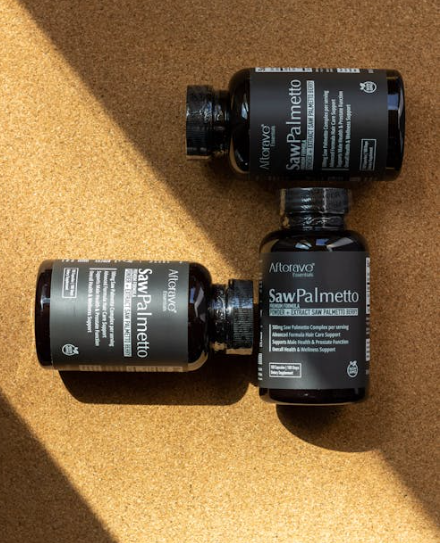
If you’re searching for effective strategies on How to Prevent Hair Loss and Stimulate Hair Growth, you’re in the right place. Hair loss affects millions of people worldwide from genetics, stress, poor nutrition, aging, and other factors. The good news? Many lifestyle and diet changes can help strengthen your hair, boost growth, and minimize shedding. In this guide, you’ll learn practical steps for healthier, fuller hair — starting today.
Understanding Hair Loss and Growth
To confidently tackle hair loss, it’s important to understand the hair growth cycle. Hair grows in phases: anagen (growth), catagen (transition), and telogen (rest). When more hair enters the telogen phase than normal, hair shedding increases and growth slows. That’s when many people notice thinning or balding.
Various factors — such as nutrient deficiencies, hormonal imbalances, stress, and scalp issues — can disrupt this cycle. Knowing the root causes helps you choose the right prevention and hair growth strategies. Consulting a healthcare professional is especially important if hair loss is sudden, severe, or linked with other symptoms. (American Academy of Dermatology)
Nutrition: The Foundation of Hair Health
Your diet plays a key role in hair strength and growth. Hair follicles require specific nutrients to grow properly. A balanced diet helps support the entire hair growth cycle and may reduce hair loss over time. (Best Foods for Hair Growth)
Protein: The Building Block of Hair
Hair is made mostly of protein — a substance called keratin. Without enough protein in your diet, your body can’t produce strong hair strands. Eating lean meats, eggs, dairy, legumes, and plant proteins daily can help support hair growth. (Foods for Hair Growth)
Essential Vitamins and Minerals
Several nutrients are linked to hair health:
- Biotin (Vitamin B7) — supports keratin production and hair structure. (Hair Growth Nutrients)
- Iron — helps oxygen reach hair follicles. Deficiency may cause shedding. (Hair Health Foods)
- Vitamin C — antioxidant that protects hair follicles and helps iron absorption. (Best Foods for Hair Growth)
- Omega-3 fatty acids — support a healthy scalp and can reduce inflammation. (Diet for Healthy Hair)
Furthermore, a balanced mix of vitamins A, B12, D, zinc, and selenium supports strong hair. Consider whole food sources first and supplement only if a healthcare provider recommends it. (Hair Growth Diet Tips)
Diet Habits That Help Prevent Hair Loss
Adopt a Mediterranean or Whole Food–Focused Diet
Eating plenty of vegetables, lean proteins, healthy fats, whole grains, and fresh herbs can promote hair health. Research suggests diets high in raw veggies and herbs may reduce hair thinning related to age or genetics. (Hair Loss Prevention Tips)
Hydrate for Healthy Hair
Drinking enough water is often overlooked but crucial for hair health. Dehydration can weaken strands and slow growth. Aim to drink consistent fluids throughout the day to help deliver nutrients to your scalp. (Hair Loss Prevention)
Limit Sugar and Processed Foods
Diets high in sugar and processed items can create inflammation, disrupt hormones, and interfere with nutrient absorption. Cutting back on sugary snacks and fast foods supports overall health — and hair growth. (Foods to Avoid for Healthy Hair)
Lifestyle Habits That Support Hair Growth
Scalp Care and Stimulation
Regular scalp massage increases blood flow to hair follicles and may support hair growth. You can gently massage your scalp with your fingertips or use a scalp massager for a few minutes each day. Using natural oils like coconut, castor, or jojoba can provide extra nourishment. (How to Prevent Hair Loss and Stimulate Hair Growth naturally combines good nutrition with scalp stimulation.)
Avoid Harsh Hair Practices
Overstyling with heat tools, tight hairstyles, and chemical treatments can weaken hair and cause breakage. Gentle hair care — using mild shampoos, limited heat, and loose styles — helps maintain strong hair. (Hair Loss Management Tips)
Manage Stress and Sleep Well
Chronic stress can disrupt the hair growth cycle and trigger shedding. Prioritize stress-management techniques such as meditation, deep breathing, yoga, and walks. Plus, adequate sleep — generally 7–9 hours per night — supports your body’s repair mechanisms, including hair growth. (Hair Loss Prevention)
Medical and Professional Options
Sometimes lifestyle and diet improvements aren’t enough — especially if hair loss is genetic or medical. In those cases, dermatologists can offer options like topical treatments (e.g., minoxidil), prescription medications, or clinical procedures that stimulate hair follicles. Early intervention often leads to better outcomes.
For example, some hair regrowth treatments involve stimulating blood flow to the scalp or blocking hormones that shrink hair follicles. Discussing these with a healthcare professional can help you choose the right strategy for your situation.
Home Remedies vs. Medical Treatments
Many people explore home remedies like onion juice, aloe vera applications, or natural herbal oils to stimulate hair growth. While some find these helpful as part of a routine, results vary widely. Combining healthy diet habits with proper medical advice ensures a balanced approach to hair care. (How to Prevent Hair Loss and Stimulate Hair Growth works best when organic remedies, diet changes, and professional care align.)
Long-Term Tips to Keep Hair Healthy
Be Consistent and Patient
Hair grows slowly — about half an inch per month on average. Meaningful changes can take several months to show. Stay consistent with healthy eating, scalp care, and stress management. Review progress periodically and adjust habits for best results.
Track Your Progress
Keep notes on what changes you make and how your hair responds. This helps identify what works best for you. If you’re not seeing improvement after several months, don’t hesitate to consult a professional for personalized guidance.
Final Thoughts
Understanding How to Prevent Hair Loss and Stimulate Hair Growth begins with knowing that your daily habits matter. From nutrition that feeds your hair follicles to gentle care routines and stress management, every lifestyle choice counts. By choosing nutrient-rich foods, staying hydrated, and protecting your hair from damage, you can give your hair the support it needs to grow stronger and more resilient over time.
Healthy hair is a reflection of your overall well-being. Commit to consistent, simple changes, and you’ll be on your way to fuller, healthier hair without relying solely on pricey treatments or miracle products.
