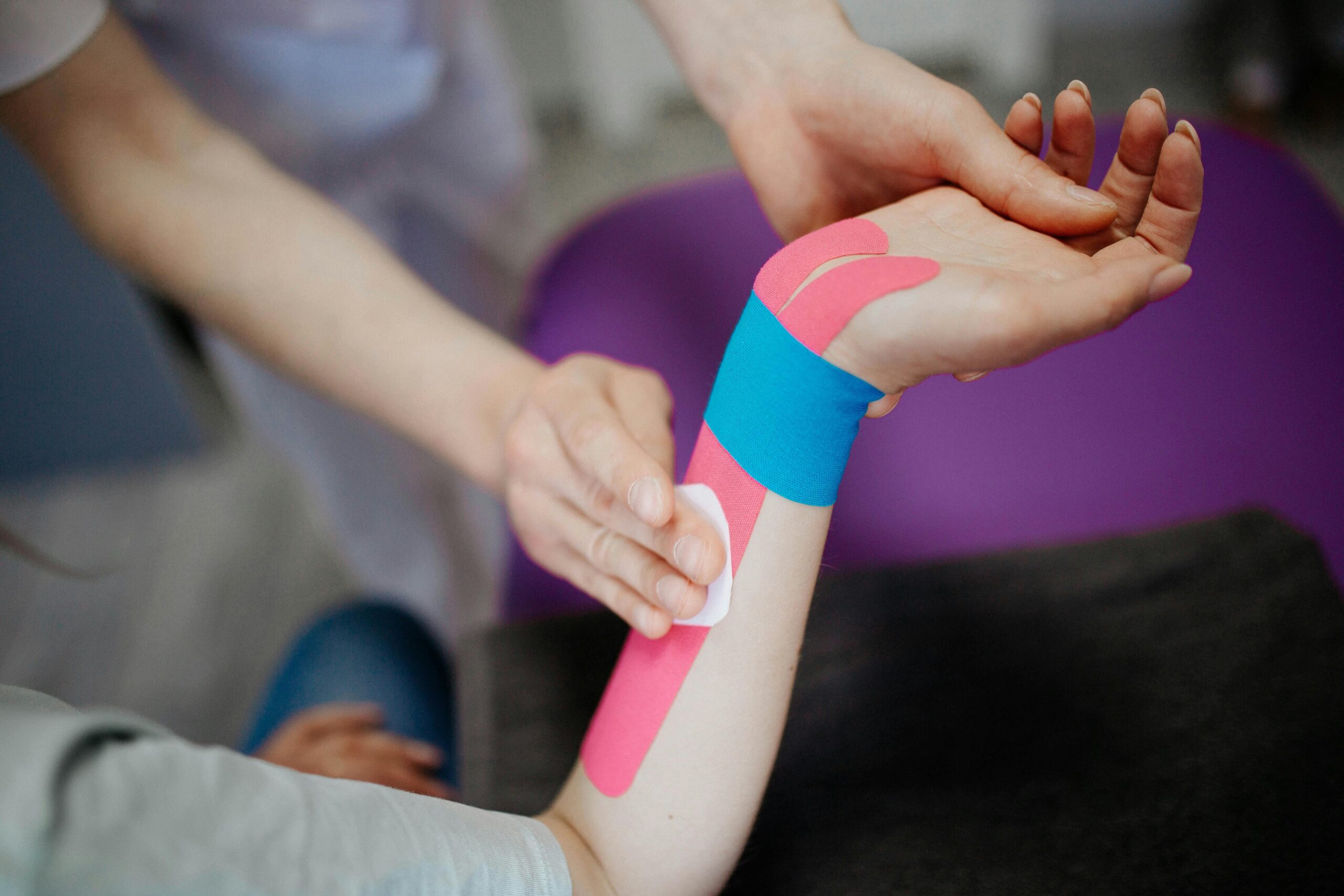
Living with joint discomfort can be frustrating. When you want relief but wish to avoid strong medication, there are many options. This guide on How to Relieve Joint Pain Without Strong Medication offers practical, natural strategies backed by science and expert recommendations. You will learn how lifestyle choices, home remedies, everyday foods, and gentle practices can ease pain and improve joint health.
From diet changes to simple therapies at home, this post will give you a clear, actionable plan to reduce pain while supporting mobility and overall joint wellness.
What Causes Joint Pain?
Joint pain can come from many sources such as arthritis, overuse, stiffness, injury, aging cartilage, or inflammation. While medication can reduce inflammation and discomfort, a broad approach that includes non‑drug strategies may offer relief without side effects.
Let’s review evidence‑based ways to ease pain and support your joints naturally.
1. Stay Active With Low‑Impact Exercise
Movement is one of the most effective tools in your pain‑relief toolkit. It helps strengthen muscles around the joints, supports flexibility, and reduces stiffness. According to experts, activity like walking, cycling, swimming, and water aerobics can ease pain and improve function. Start slow and build up gradually to avoid overuse. :contentReference[oaicite:0]{index=0}
Low‑impact exercise maintains joint mobility without harsh pressure. Gentle movement increases blood flow and helps prevent long periods of stiffness, which often contribute to pain.
2. Use Heat and Cold Therapy
One of the simplest yet effective strategies for How to Relieve Joint Pain Without Strong Medication is heat and cold therapy. Alternating heat and cold can reduce inflammation, numb discomfort, and relax stiff muscles. According to medical sources:
- Heat therapy improves circulation and eases muscle tension.
- Cold therapy reduces swelling, inflammation, and nerve pain.
Use a warm compress or heating pad for about 15‑20 minutes for stiffness, and a cold pack for acute inflammation. :contentReference[oaicite:1]{index=1}
For some people, alternating these therapies throughout the day offers significant comfort.
3. Try Gentle Stretching and Yoga
Yoga and regular stretching can increase flexibility and reduce joint stiffness naturally. Gentle movements help maintain your range of motion, especially in areas like the hips, knees, and shoulders. Practicing poses such as Cat‑Cow or Child’s Pose can ease discomfort and improve posture. :contentReference[oaicite:2]{index=2}
Stretching doesn’t require equipment, and you can adapt it to your pace, making it a great option for daily use.
4. Change to an Anti‑Inflammatory Diet
What you eat matters. Certain foods reduce inflammation in the body and support joint health. Including anti‑inflammatory foods in your meals can play a key role in how to relieve joint pain without strong medication.
Try to include:
- Fatty fish rich in omega‑3 (salmon, sardines, mackerel)
- Leafy greens such as spinach and kale
- Antioxidant fruits like berries and oranges
- Nuts and seeds for healthy fats
A diet focused on whole, unprocessed foods supports joint comfort and overall wellness. :contentReference[oaicite:3]{index=3}
5. Consider Natural Supplements and Herbs
Some natural supplements and herbs have anti‑inflammatory properties. Always consult your doctor before starting new supplements, especially if you have other health conditions. Examples include:
- Turmeric/Curcumin: A powerful anti‑inflammatory spice that can help reduce swelling. :contentReference[oaicite:4]{index=4}
- Ginger: Contains compounds that reduce inflammation and ease stiffness. :contentReference[oaicite:5]{index=5}
- Boswellia: An herbal extract with anti‑inflammatory effects. :contentReference[oaicite:6]{index=6}
- Willow bark: Used traditionally for pain relief. :contentReference[oaicite:7]{index=7}
- Green tea: Loaded with polyphenols that reduce inflammation. :contentReference[oaicite:8]{index=8}
Supplements and herbs may support your joint pain strategy without relying on prescribed medications, and many people use them as part of a balanced routine.
6. Stay Hydrated
Water is essential for joint lubrication and cartilage health. Hydration helps maintain the natural fluid that cushions your joints. Aim to drink water consistently throughout the day, and include hydrating foods like cucumbers, watermelon, and soups in your diet. :contentReference[oaicite:9]{index=9}
Adequate hydration supports not only joint comfort but overall function of your muscles and organs.
7. Maintain a Healthy Weight
Extra body weight places stress on weight‑bearing joints like knees, hips, and lower back. Even modest weight loss can reduce pain and slow cartilage damage. A combination of healthy eating and exercise can help. :contentReference[oaicite:10]{index=10}
Reducing pressure on joints supports long‑term comfort and mobility without medications.
8. Explore Topical Remedies and Massages
Topical creams and gels can provide targeted relief. Natural gels with ingredients like capsaicin, menthol, or arnica may help ease pain by stimulating sensory nerves and creating a warming or cooling effect. :contentReference[oaicite:11]{index=11}
Additionally, massage therapy improves circulation and releases tension in muscles surrounding the joints. This can reduce stiffness and boost flexibility over time.
9. Try Alternative Therapies
Some people find relief through alternative therapies like acupuncture or acupressure. Acupuncture, an ancient practice involving thin needles, has shown promise in reducing pain for some individuals. :contentReference[oaicite:12]{index=12}
These treatments can complement your other methods for how to relieve joint pain without strong medication.
10. Lifestyle Tips for Ongoing Joint Health
Beyond specific remedies, daily habits are important for long‑term relief:
- Get quality sleep to support repair and recovery.
- Practice good posture to reduce strain on joints and muscles.
- Avoid prolonged inactivity, which can stiffen joints.
- Limit sugary, processed foods that can increase inflammation.
Taking a holistic approach supports your joints from the inside out and reduces the need for strong pain medications.
Putting It All Together: A 4‑Week Natural Relief Plan
If you want a structured approach, consider this simple four‑week strategy:
- Week 1: Start gentle exercises and heat/cold therapy.
- Week 2: Add anti‑inflammatory foods and hydration goals.
- Week 3: Introduce herbs or supplements (with approval).
- Week 4: Maintain routine and track improvements.
This plan helps you build sustainable habits that ease pain and support joint health without medication.
Conclusion: Natural Approaches for Joint Comfort
Figuring out How to Relieve Joint Pain Without Strong Medication doesn’t mean ignoring your pain. It means taking a balanced, natural approach that supports healing and mobility. From exercise and diet to herbs and lifestyle changes, many strategies can help you manage discomfort safely and effectively.
If pain persists or worsens, consult a healthcare provider to rule out underlying conditions and tailor a plan that supports your health goals.
