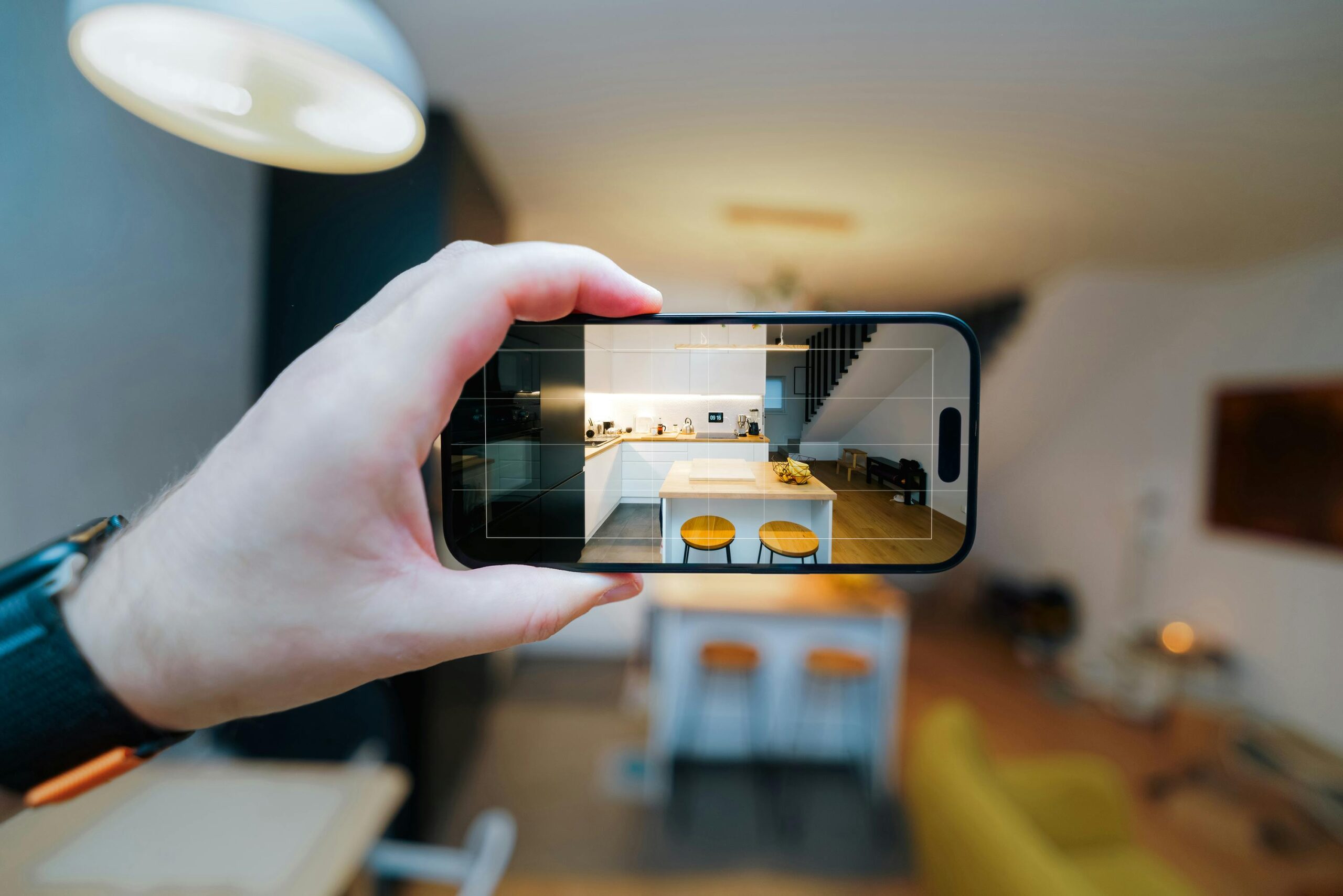
Selling a home can be stressful, especially if you want to sell quickly and at the highest price possible. One of the most effective strategies to achieve this is staging. Learning how to stage your home to sell quickly can make your property more appealing to potential buyers, reduce time on the market, and increase your return on investment. In this guide, we’ll walk you through actionable steps to stage your home like a pro.
1. Understand the Importance of Home Staging
Home staging is the process of preparing and decorating a property to make it more attractive to buyers. Proper staging emphasizes your home’s strengths, downplays its weaknesses, and creates a welcoming environment. According to the National Association of Realtors, staged homes often sell faster and for higher prices compared to unstaged homes.
Staging also helps buyers visualize themselves living in the space. A well-staged home creates emotional connections, which can directly influence offers and negotiations.
2. Declutter and Depersonalize Your Space
The first step in staging is decluttering. Remove unnecessary items, personal photos, and excessive decorations. Buyers want to imagine their own belongings in the home, not feel overwhelmed by the current owner’s style.
Depersonalization includes packing away family photos, memorabilia, and unique collections. Minimalism works best. Focus on clean surfaces, organized spaces, and a neutral environment.
3. Clean Every Corner Thoroughly
Cleanliness is critical when learning how to stage your home to sell quickly. A spotless home signals to buyers that the property has been well-maintained. Pay attention to areas often overlooked, such as baseboards, window sills, and light fixtures.
Professional cleaning services can be a worthwhile investment. Consider deep-cleaning carpets, scrubbing grout, and polishing hardwood floors to make your home sparkle.
4. Optimize Furniture Layout
How you arrange furniture can affect a buyer’s perception of space. Remove bulky or unnecessary pieces to make rooms appear larger and more functional. Arrange furniture to highlight focal points, like a fireplace or large windows. Ensure there is clear traffic flow and that each room has a distinct purpose.
For living rooms, consider cozy seating arrangements. In bedrooms, keep it simple with minimal furniture and neutral décor. This approach helps buyers easily visualize their lifestyle in the space.
5. Use Neutral Colors and Accents
Neutral paint colors appeal to a broader audience. Soft tones like beige, gray, or cream create a warm and inviting environment. You can add pops of color through pillows, rugs, or art to make rooms feel lively without overwhelming buyers.
Repainting walls or adding neutral accents is one of the most cost-effective ways to stage your home. It enhances visual appeal and allows buyers to focus on the property’s features instead of personal taste.
6. Highlight Key Features
Every home has unique selling points. Whether it’s a beautiful kitchen, hardwood floors, or a spacious backyard, make sure these features stand out. Use lighting, furniture placement, and décor to draw attention to your home’s strongest attributes.
For example, in kitchens, keep counters clear and add fresh flowers or a fruit bowl for a welcoming touch. In living areas, highlight fireplaces or large windows with subtle décor.
7. Improve Curb Appeal
The exterior of your home is the first thing buyers notice. To sell quickly, invest time in improving curb appeal. Simple upgrades like mowing the lawn, trimming shrubs, painting the front door, and adding outdoor lighting can make a significant difference.
Consider adding seasonal flowers, a welcome mat, or outdoor furniture to create a warm and inviting entryway. A strong first impression sets the tone for the rest of the showing.
8. Use Proper Lighting
Lighting can dramatically affect how your home feels. Bright, well-lit spaces appear larger and more inviting. Open curtains, replace dim bulbs with brighter options, and add lamps to darker areas.
Natural light is ideal, so make sure windows are clean and unobstructed. If natural light is limited, consider installing LED bulbs that mimic daylight for a fresh and welcoming feel.
9. Create a Cozy Atmosphere
Buyers often respond emotionally to comfort. Small touches like plush pillows, soft throws, and rugs can make rooms feel cozy. In the kitchen, set the table with simple, elegant dinnerware. In bathrooms, add fresh towels and a few scented candles.
The goal is to create a home that feels inviting without feeling cluttered or personalized.
10. Stage Outdoor Spaces
Don’t forget about patios, decks, or balconies. Outdoor areas are an extension of your home and can influence buyers’ perceptions. Add seating, potted plants, and simple décor to showcase the potential of outdoor living.
Well-staged outdoor spaces can help buyers imagine entertaining or relaxing at home, increasing emotional attachment and the likelihood of a fast sale.
11. Use Professional Photography
Most buyers start their search online, making high-quality photos essential. Professional photography captures your home in its best light and emphasizes staging efforts. Images should highlight spaciousness, natural light, and key features.
Virtual tours and 3D walkthroughs can further enhance appeal. This digital presentation often attracts more potential buyers, speeding up the selling process.
12. Incorporate Smart Home Elements
Modern buyers appreciate smart home features. While not mandatory, small additions like smart thermostats, security cameras, or smart lighting can add value and make your home more attractive. Highlight these features subtly during staging to enhance perceived value.
13. Price Your Home Competitively
Even the best staging can’t sell an overpriced home. Research the local market and set a competitive price. A well-staged, correctly priced home is more likely to attract offers quickly and potentially spark a bidding war.
For insights on pricing strategies, you can explore Realtor.com Home Pricing Tips.
14. Maintain the Home for Showings
Once staged, keeping your home show-ready is crucial. Regularly clean and tidy spaces, remove clutter, and ensure everything is in working order. A home that is consistently presentable demonstrates care and reduces buyers’ concerns about maintenance.
Conclusion
Learning how to stage your home to sell quickly involves preparation, attention to detail, and an understanding of buyer psychology. From decluttering and depersonalizing to enhancing curb appeal and lighting, every step matters. Staging creates a welcoming, neutral, and visually appealing environment that encourages buyers to make offers faster and often at a higher price.
By investing time and effort into staging, you can reduce time on the market, maximize value, and create a seamless selling experience. For additional resources on real estate marketing, consider exploring our guides on home selling strategies and real estate tips. You can also explore online platforms like Houzz for home staging inspiration and BiggerPockets for real estate investor strategies to enhance your selling approach.
