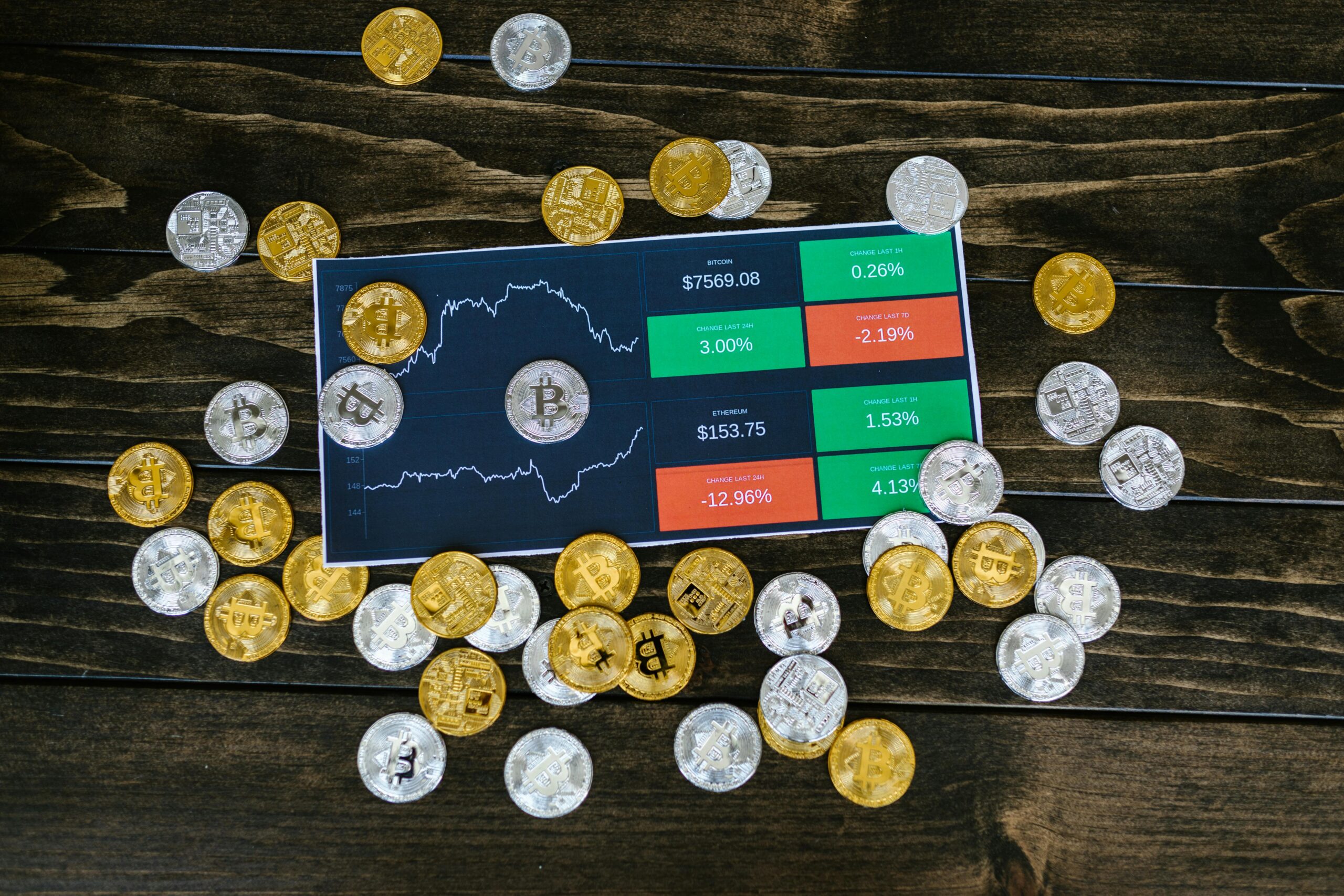
Managing multiple cryptocurrencies across different exchanges can be overwhelming. Learning how to track cryptocurrency portfolio efficiently is essential for maximizing profits, reducing risks, and making informed investment decisions. In this guide, we’ll cover the best tools, strategies, and practices to monitor your crypto assets with ease.
Why Efficient Portfolio Tracking is Crucial
A cryptocurrency portfolio often includes a mix of Bitcoin, Ethereum, altcoins, and stablecoins. Without proper tracking, you may face:
- Missed opportunities for profit-taking
- Poor risk management
- Difficulty in monitoring performance across multiple platforms
By understanding how to track cryptocurrency portfolio efficiently, you gain real-time insights, reduce stress, and make data-driven decisions.
Top Methods to Track Your Crypto Portfolio
1. Use Dedicated Portfolio Tracker Apps
Crypto portfolio tracker apps simplify the process of monitoring your assets. They allow you to connect wallets, exchanges, and even DeFi accounts. Popular options include:
- Blockfolio – Offers real-time price alerts and portfolio analytics.
- CoinStats – Tracks multiple exchanges and provides detailed insights.
- Delta – Advanced portfolio management with custom notifications.
These apps make it easy to track performance, diversification, and gains/losses without manually checking each exchange.
2. Sync Your Wallets and Exchanges
Most tracker apps allow API integration with exchanges and wallets. This feature automatically updates your portfolio:
- Reduces human error in manual entry
- Provides real-time valuation
- Helps monitor multiple assets in one dashboard
Ensure you use API keys with “read-only” permissions to maintain security. Avoid providing withdrawal permissions to any app.
3. Use Spreadsheet Tracking for Custom Portfolios
For advanced users, spreadsheet tracking offers flexibility. You can create custom formulas, track ROI, and analyze asset allocation. Key features to include:
- Purchase price and quantity
- Current market price
- Percentage of portfolio per asset
- Profit/loss calculations
Tools like Google Sheets can be paired with crypto price APIs to automate updates.
4. Leverage DeFi Portfolio Trackers
If you’re investing in decentralized finance, specialized DeFi trackers can help monitor liquidity pools, staking, and yield farming positions:
- Zapper – Aggregates DeFi assets and tracks rewards.
- Zerion – Connects wallets to monitor DeFi investments and NFTs.
DeFi trackers allow you to see your portfolio in one place and understand returns from multiple protocols.
Best Practices for Efficient Portfolio Tracking
1. Track Performance Daily
Regular monitoring ensures you spot market changes early. Daily checks can help you:
- Identify profit-taking opportunities
- Detect underperforming assets
- Adjust your portfolio allocation
2. Set Alerts and Notifications
Use your portfolio app to set alerts for price movements, market caps, or portfolio value changes. This proactive approach helps in making timely decisions.
3. Diversify Your Portfolio
Tracking efficiently also means understanding diversification. Avoid concentrating your assets in one coin or token. Use your tracker to analyze:
- Percentage of total portfolio per coin
- Correlation between assets
- Risk exposure
4. Keep Security a Priority
Security is critical when tracking your crypto portfolio. Tips include:
- Use read-only API keys for exchange integrations
- Enable two-factor authentication (2FA)
- Avoid public Wi-Fi when accessing your portfolio
5. Review Your Portfolio Periodically
Weekly or monthly reviews help in understanding long-term performance. Assess which coins are underperforming and adjust allocation accordingly.
Advanced Tools to Track Cryptocurrency Portfolio
1. Multi-Exchange Dashboard Platforms
Platforms like CryptoCompare and CoinGecko Portfolio provide:
- Aggregated portfolio tracking across multiple exchanges
- Price alerts and market analysis
- Historical performance charts
2. Tax and Accounting Integration
Efficient tracking also simplifies taxes. Platforms like CoinTracker and Koinly help calculate gains/losses and generate tax reports, saving you time and money.
3. Mobile App Monitoring
Mobile apps allow you to track your portfolio on the go. Key features to look for:
- Push notifications for price alerts
- Portfolio analytics and charts
- Integration with multiple wallets and exchanges
Common Mistakes to Avoid When Tracking Crypto Portfolios
1. Overcomplicating the Portfolio
Too many assets can be hard to monitor. Focus on top-performing or strategic coins and avoid adding assets that dilute portfolio efficiency.
2. Ignoring Fees and Slippage
Tracking only coin prices without considering trading fees, withdrawal fees, and slippage can misrepresent real portfolio performance. Always factor in costs for accurate tracking.
3. Relying Solely on One Platform
Using a single tracker can be risky if the platform goes down. Consider syncing multiple trackers for redundancy and real-time updates.
4. Neglecting Security
Failing to secure API keys or passwords can lead to loss of funds. Always use secure devices, 2FA, and read-only API keys.
Conclusion
Learning how to track cryptocurrency portfolio efficiently is crucial for any investor. Whether you use portfolio tracker apps, spreadsheets, or DeFi dashboards, combining the right tools with best practices ensures real-time insights, better decision-making, and enhanced profitability.
To get started, explore platforms like Blockfolio, CoinStats, and Zapper to monitor your crypto holdings effectively and securely.
