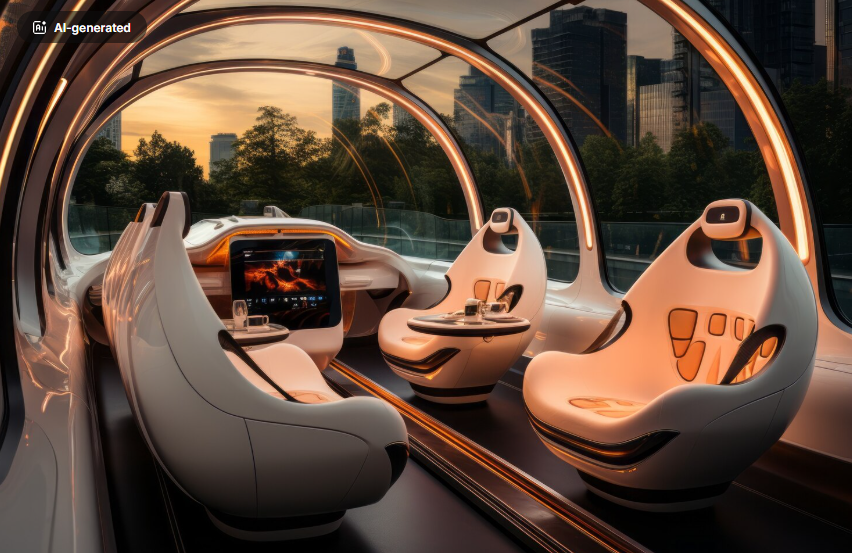
Welcome to your comprehensive guide on The Future of Premium Cars: Trends You Must Know. The premium automotive market is evolving faster than ever. Drivers today not only want power and comfort — they also demand sustainability, connectivity, safety, and personalized experiences. As the luxury car market heads into 2030 and beyond, manufacturers are innovating on many fronts to meet these expectations. :contentReference[oaicite:0]{index=0}
This article explores the key trends shaping tomorrow’s premium cars. From electrification to artificial intelligence and shifting ownership models, we’ll break down what every enthusiast, buyer, or industry watcher should understand about the future of high‑end automobiles.
1. Electrification Will Define the Premium Segment
One of the clearest trends in the automotive space is electrification. Luxury automakers are rapidly transitioning their lineups to include battery electric vehicles (BEVs), plug‑in hybrids, and even hydrogen‑based systems. Governments worldwide are enforcing stricter emissions standards, and customers are increasingly eco‑aware, pushing manufacturers to accelerate their electrified offerings. :contentReference[oaicite:1]{index=1}
By the end of the decade, it’s expected that the majority of premium cars will be fully electric or hybrid. This shift doesn’t just benefit the environment; it also enhances performance and reduces noise, giving luxury cars a smoother, more refined character. Advances in battery technology are helping vehicles deliver longer range and faster charging, making EV ownership more practical than ever. :contentReference[oaicite:2]{index=2}
From flagship sedans to high‑performance SUVs, electrification is becoming the norm — and knowing this is crucial when thinking about The Future of Premium Cars: Trends You Must Know.
2. AI and Smart Personalization Are Reshaping the Driving Experience
Artificial intelligence (AI) is increasingly integrated into premium vehicles to enhance user experience and performance. AI isn’t just for advanced driving — it’s embedded in comfort, safety, and personalization systems. For example, predictive climate controls can learn your habits and adjust the cabin automatically. AI‑driven infotainment learns your preferences, and even navigation can anticipate where you’re headed based on past routes. :contentReference[oaicite:3]{index=3}
Connected car systems are becoming more intuitive and proactive. Vehicles can now analyze real‑time data to provide route recommendations, suggest maintenance, and even adapt suspension settings for optimal comfort on varying road surfaces. This level of customization and intelligence is one of the defining features of the new premium driving experience. :contentReference[oaicite:4]{index=4}
The integration of AI and connectivity — including IoT (Internet of Things) — means that cars are becoming extensions of our digital lives. This trend will set the standard for future premium vehicles.
3. Autonomous and Semi‑Autonomous Driving Technology
Autonomy is another pillar of The Future of Premium Cars: Trends You Must Know. Brands like Mercedes‑Benz, Audi, BMW, and Tesla are investing heavily in advanced driver assistance systems (ADAS) and higher levels of autonomy. These systems use a combination of radar, cameras, LiDAR, and AI to enable hands‑free driving in certain conditions. :contentReference[oaicite:5]{index=5}
As sensor technology improves and regulations adapt, we expect premium cars to offer even more robust autonomous features. While fully self‑driving cars are still on the horizon, Level 3 and Level 4 technologies — which allow the car to handle driving tasks while the driver monitors — are increasingly common. :contentReference[oaicite:6]{index=6}
Enhanced autonomy doesn’t just improve convenience; it also boosts safety and reduces driver stress. In the premium segment, autonomous features will become standard rather than optional extras.
4. Sustainability Beyond Electrification
Sustainability in premium cars goes well beyond electric powertrains. Automakers are incorporating eco‑friendly materials, recyclable composites, and sustainable manufacturing processes into their vehicles. Interior materials such as vegan leather, plant‑based fabrics, and recycled wood are becoming more widespread. :contentReference[oaicite:7]{index=7}
Manufacturers are also working on “green factories” that reduce carbon emissions during production. These efforts ensure that luxury cars are not only sustainable on the road but throughout their entire lifecycle — from materials sourcing to end‑of‑life reuse. This holistic approach to sustainability is a trend every buyer should know as the industry evolves. :contentReference[oaicite:8]{index=8}
5. Personalization and Bespoke Design
Future premium cars are becoming more like bespoke products tailored to individual tastes. Personalization is not just about paint options or seat finishes — modern premium customers expect unique digital profiles, individual driving modes, and custom ambient systems that adapt to their preferences. :contentReference[oaicite:9]{index=9}
Customization options are expanding rapidly. Luxury brands now offer broader palettes, personalized technology setups, and even custom OLED displays that reflect individual style. This trend stems from a desire for exclusivity and identity, making personalization a core part of the premium car experience. :contentReference[oaicite:10]{index=10}
6. Digital Sales and Subscription Models
The way premium cars are sold is also changing. Online platforms, virtual showrooms, and digital configurators are transforming how buyers research and purchase vehicles. Inspired by electric‑only brands like Tesla, traditional luxury makers are adopting direct‑to‑consumer sales models with transparent pricing and personalized delivery experiences. :contentReference[oaicite:11]{index=11}
Subscription services, offered by some automakers, allow customers to access premium vehicles for a monthly fee without traditional ownership. Software subscriptions for advanced driving aids, entertainment updates, and connected services are also emerging as new revenue streams. Some manufacturers now generate high margins from services like hands‑free driving subscriptions or advanced connectivity packages, signifying a shift away from reliance on pure vehicle sales. :contentReference[oaicite:12]{index=12}
This shift is a central part of The Future of Premium Cars: Trends You Must Know, as it changes how consumers interact with and pay for luxury mobility.
7. Enhanced Luxury Interiors and Wellness Features
Premium car interiors are transforming into wellness‑oriented environments. Technology that enhances comfort is becoming a selling point: advanced climate control systems, air purification, sound therapy systems, and even massage seats are standard in many new models. :contentReference[oaicite:13]{index=13}
In addition to physical comfort, immersive sound systems, AR displays, and entertainment suites enhance the in‑car experience. Luxury buyers now expect vehicles to be extensions of their living spaces — a trend that’s redefining interior design priorities. :contentReference[oaicite:14]{index=14}
8. Connectivity and 5G Integration
As cars become more digital, connectivity is key. 5G networks enable real‑time updates, faster communication between devices, and enhanced vehicle‑to‑infrastructure integrations. Connected cars provide live traffic data, predictive diagnostics, remote services, and over‑the‑air updates that improve performance without needing a visit to the dealership. :contentReference[oaicite:15]{index=15}
In premium cars, this connectivity also supports advanced telematics, personalized driver profiles, and enhanced security features. The connected car ecosystem is expected to grow rapidly, making connectivity a major pillar of future luxury vehicles. :contentReference[oaicite:16]{index=16}
9. Hybrid Powertrains as a Transition Technology
Until full electrification becomes universal, many premium brands are adopting hybrid powertrains as a bridge technology. High‑performance hybrids provide both the environmental benefits of electrification and the performance characteristics luxury drivers expect. :contentReference[oaicite:17]{index=17}
This transitional trend ensures that buyers who aren’t yet ready to go fully electric still enjoy improvements in efficiency and emissions while retaining strong performance. Premium buyers seeking both environmental responsibility and driving pleasure will continue to see hybrid options through the mid‑2030s. :contentReference[oaicite:18]{index=18}
10. Redefining Ownership With Experiential Services
Finally, traditional car ownership is evolving. Premium buyers increasingly value experiences over possessions. Automakers are responding by offering concierge services, exclusive events, personalized service plans, and global test‑drive experiences. These lifestyle offerings complement the vehicle itself — creating deeper customer loyalty and enhancing the ownership experience. :contentReference[oaicite:19]{index=19}
Subscription and mobility‑as‑a‑service (MaaS) solutions are also part of this shift. They reduce financial commitment while giving customers access to the latest models and services — a model that reflects broader economic trends in how consumers access high‑end products. :contentReference[oaicite:20]{index=20}
Conclusion
The Future of Premium Cars: Trends You Must Know highlights just how rapidly the luxury automotive landscape is transforming. Electrification, artificial intelligence, autonomous features, sustainability, personalization, digital sales, and enhanced connectivity are all redefining what a premium car means in the 2020s and beyond.
As the industry evolves, the premium segment will continue to prioritize innovation without losing its core identity: delivering comfort, performance, and exclusivity. For buyers and enthusiasts alike, understanding these trends is essential to navigating the future of luxury mobility.
