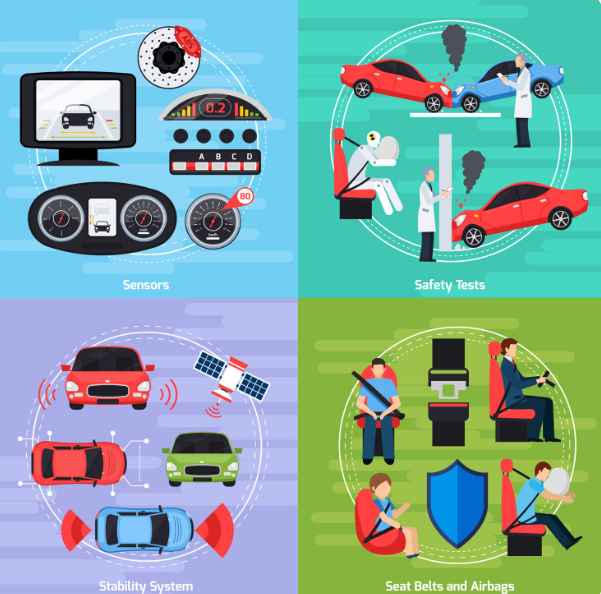
Modern premium cars are more than symbols of status—they are engineering marvels designed to protect drivers and passengers. Understanding Top Safety Features in Modern Premium Cars You Must Know is crucial for anyone considering a high-end vehicle. From cutting-edge driver assistance systems to robust structural design, premium cars prioritize safety without compromising luxury.
Why Safety Matters in Premium Cars
Premium cars are often driven in urban, highway, and high-speed environments. Safety is not just about survival in accidents—it also ensures peace of mind, reduces insurance costs, and maintains vehicle value. Today’s luxury vehicles incorporate advanced technology to minimize risks and prevent collisions before they occur.
Key Factors That Enhance Safety
- Active Safety Systems: Prevent accidents with sensors and automatic interventions.
- Passive Safety Systems: Protect occupants during a collision.
- Structural Integrity: Reinforced chassis and crumple zones improve crashworthiness.
- Driver Assistance Technology: Lane guidance, adaptive cruise control, and emergency braking.
- Connectivity: Alerts and emergency response integration enhance protection.
Top Safety Features in Modern Premium Cars
1. Adaptive Cruise Control (ACC)
Adaptive cruise control uses radar and cameras to maintain a safe distance from vehicles ahead. Unlike traditional cruise control, ACC automatically adjusts speed based on traffic conditions, reducing the risk of rear-end collisions. Premium brands like Mercedes-Benz adaptive systems integrate ACC with other driver assistance technologies for seamless safety.
2. Automatic Emergency Braking (AEB)
Automatic emergency braking detects potential collisions and applies brakes autonomously if the driver does not react in time. This feature is particularly effective in urban environments where stop-and-go traffic is common. Brands like BMW and Audi implement AEB with pedestrian and cyclist detection for comprehensive protection.
3. Blind Spot Monitoring (BSM)
Blind spot monitoring alerts drivers to vehicles in adjacent lanes that may be hidden from view. Often combined with lane-keeping assist, BSM reduces accidents during lane changes and merges. Modern systems provide visual, audible, and haptic feedback to ensure driver awareness.
4. Lane Departure Warning and Lane Keeping Assist
These features warn drivers if they unintentionally drift out of their lane and gently correct steering to maintain lane position. This is essential for preventing side collisions and ensuring highway safety. Tesla’s autopilot and Lexus’ lane-keeping technologies exemplify advanced implementations.
5. Surround-View Camera Systems
Premium cars feature 360-degree camera systems that provide a complete view around the vehicle. These systems simplify parking, navigating tight spaces, and avoiding obstacles. Vehicles like the Audi Q7 or BMW X5 integrate surround-view cameras with parking sensors for maximum convenience and safety.
6. Night Vision and Enhanced Driver Assistance
Night vision cameras detect pedestrians, animals, and other obstacles in low-light conditions, displaying them on the infotainment screen. This feature, combined with heads-up displays and collision warnings, significantly improves night driving safety.
7. Advanced Airbag Systems
Modern premium cars are equipped with multi-stage airbags, side-curtain airbags, and knee airbags. These systems deploy based on the severity of impact and occupant position, reducing injury risk during collisions. Mercedes-Benz and Lexus are pioneers in integrating advanced passive safety features.
8. Traction and Stability Control
Electronic stability control, traction control, and anti-lock braking systems are standard in premium cars. These features prevent skidding, improve cornering, and enhance vehicle control in adverse weather, making driving safer and more predictable.
9. Pedestrian and Cyclist Detection
Pedestrian detection systems use cameras and radar to identify vulnerable road users. When a potential collision is detected, the vehicle warns the driver or automatically applies brakes. Many modern BMW, Audi, and Tesla models include this critical safety technology.
10. Connected Safety and Telematics
Modern premium vehicles integrate connectivity features that alert drivers to hazards, road conditions, and potential accidents. Telematics systems like OnStar or Tesla Safety connect your car to emergency services in case of severe collisions, ensuring prompt assistance.
How to Choose a Premium Car Based on Safety Features
1. Research Safety Ratings
Look for vehicles that earn top scores from agencies like the NHTSA or IIHS. High safety ratings often reflect superior engineering and comprehensive crash protection.
2. Evaluate Technology Integration
Some safety features work best when integrated. For example, adaptive cruise control combined with lane-keeping assist and automatic emergency braking creates a more robust safety net than standalone systems.
3. Consider Real-World Use
Think about where and how you drive. Urban drivers may benefit most from pedestrian detection, blind spot monitoring, and surround-view cameras, while highway drivers may prioritize adaptive cruise control and lane departure assist.
4. Maintain Your Vehicle
Even the most advanced safety systems require proper maintenance. Regularly service sensors, cameras, brakes, and tires to ensure all features function optimally. For tips on vehicle maintenance, visit Edmunds car maintenance guides.
Additional Safety Tips for Premium Car Owners
- Update software regularly to benefit from improved safety algorithms.
- Use premium tires recommended by the manufacturer for optimal grip and braking performance.
- Keep sensors and cameras clean to maintain accurate detection.
- Engage driver-assistance systems consistently to prevent human error.
- Consider installing additional protection like dashcams or anti-theft systems.
Conclusion
Understanding Top Safety Features in Modern Premium Cars You Must Know is essential for anyone investing in a luxury vehicle. From adaptive cruise control and automatic emergency braking to pedestrian detection and connected safety, these features not only prevent accidents but also enhance overall driving confidence. By selecting a vehicle with comprehensive safety systems and maintaining it properly, you ensure maximum protection for yourself, your passengers, and others on the road.
For detailed comparisons and expert reviews of modern safety technology in premium cars, visit Cars.com safety guides.
